
Story by: John Laurence Teologo, Communications Officer
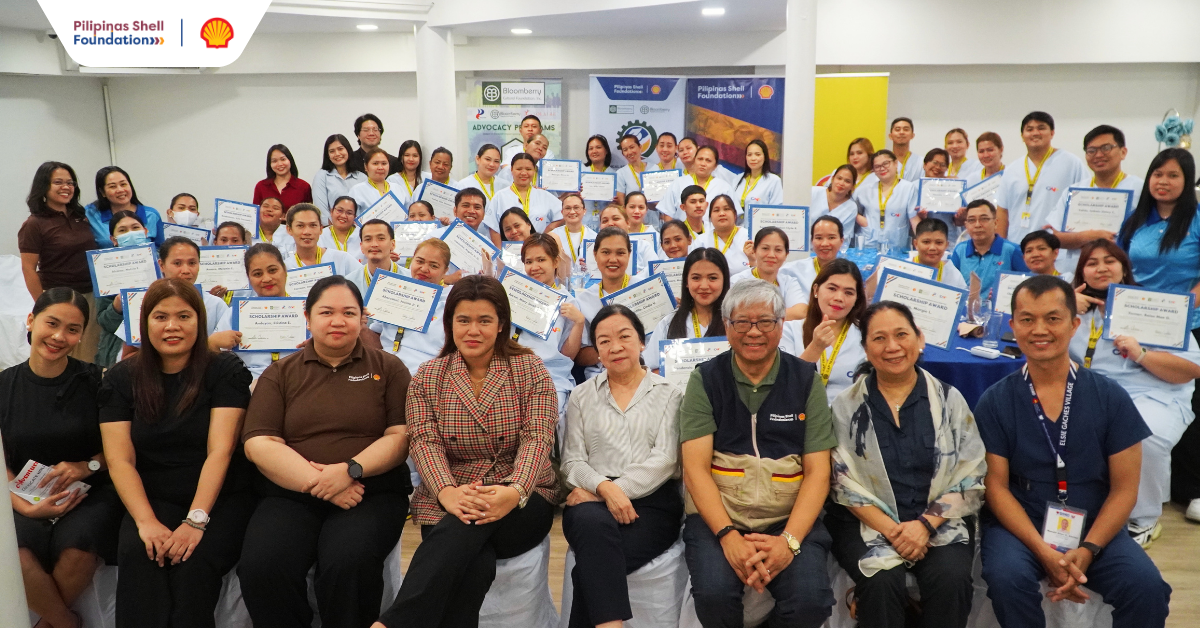
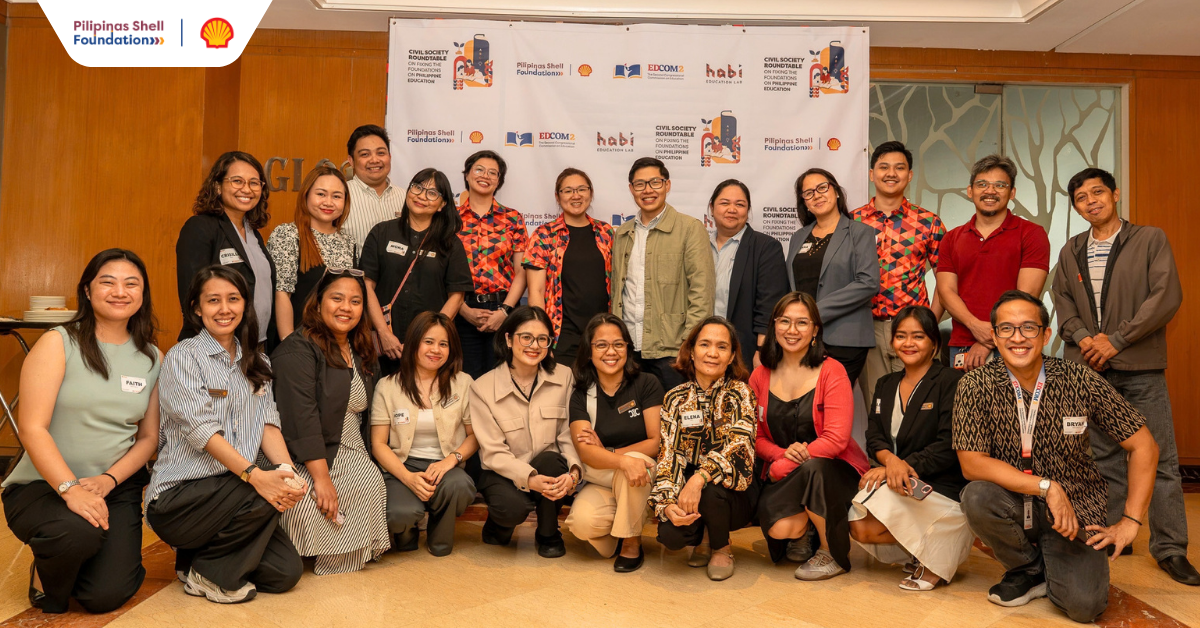
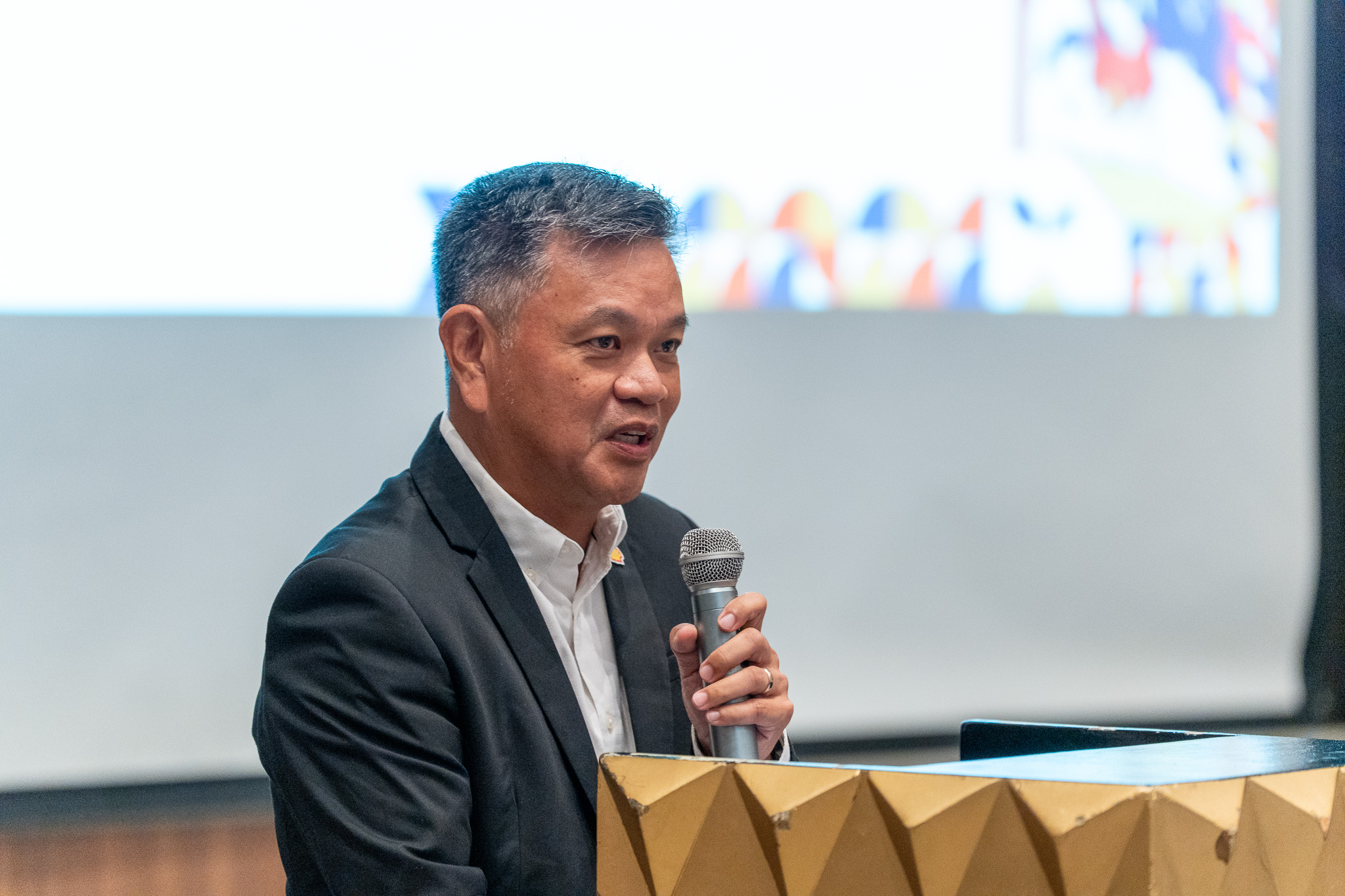
Pilipinas Shell Foundation, Inc. (PSFI) and the Second Congressional Commission on Education (EDCOM 2), in partnership with Habi Education Lab and with support from Shell Pilipinas Corporation (SPC), brought together 74 participants from 58 organizations on August 24, 2026, to explore how civil society can contribute to education reform.
The roundtable created a space for stakeholders from government, civil society, the private sector, and the education community to connect their work with the priorities of the National Education Plan. Discussions focused on strengthening coordination, sharing experiences, and identifying opportunities to better support Filipino learners.
Creating a Space for Collective Action
The gathering grew out of a July 15, 2026 meeting between PSFI’s program leadership and EDCOM 2 to explore alignment between the Foundation’s strategic priorities and the Commission’s reform agenda. Recognizing the role of civil society in advancing education reform, PSFI volunteered to partner with EDCOM 2 in convening organizations around a shared agenda.
Our objective is not simply to hold another meeting. Rather, it is to create a space where organizations can listen to one another, identify common priorities, explore opportunities for collaboration, and strengthen our collective contribution to education reform.
For PSFI and SPC, the engagement offered an opportunity to support education reform by bringing stakeholders together. It placed emphasis on listening, connecting expertise, and exploring how organizations’ existing efforts could complement one another.
Aligning Efforts with Education Priorities
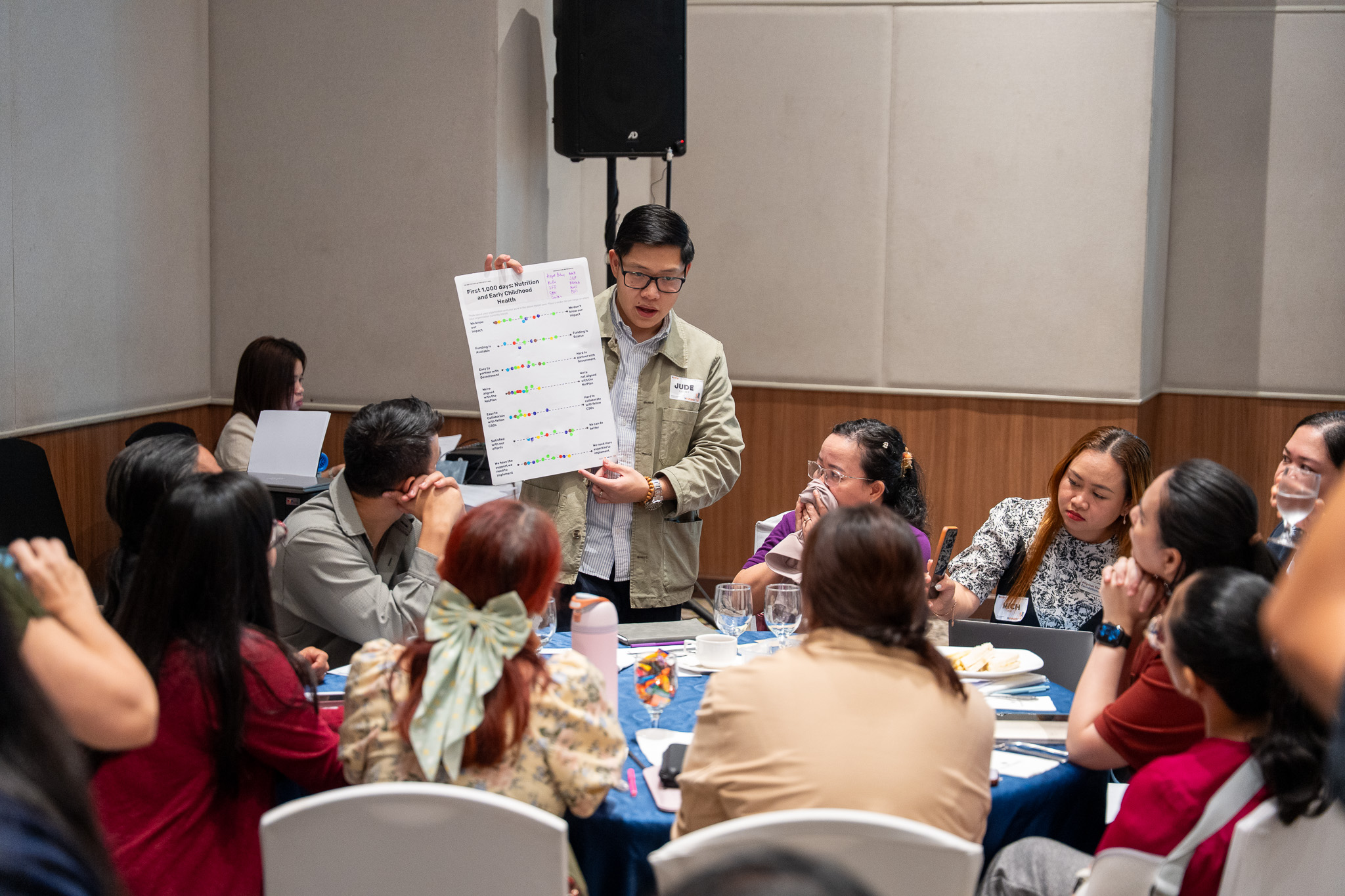
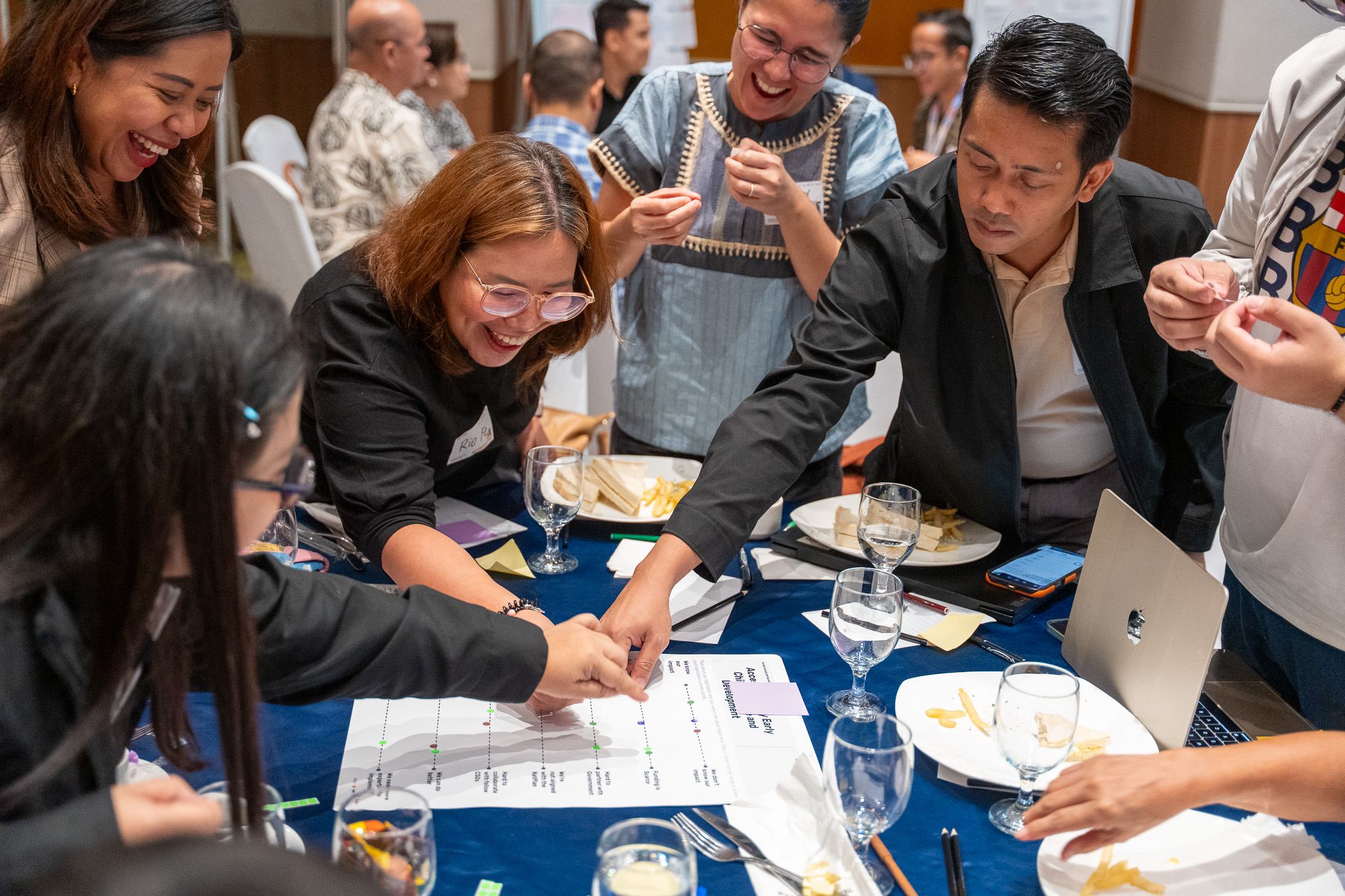
The roundtable explored eight impact areas aligned with the National Education Plan’s six Key Priority Areas. These covered nutrition and early childhood health in the first 1,000 days; access to quality early childhood care and development; reading proficiency by Grade 3; Senior High School TechPro and work immersion; mother tongue children’s books and inclusive learning; bullying prevention and safe spaces; teacher and school leader development; and local government engagement in education.
These discussions provided an initial opportunity for organizations to identify where their work could contribute to EDCOM 2’s reform priorities and where collaboration could help address implementation gaps.
We all care about impact, but the question is: how do we really move forward together? If we can be more intentional about collaborating and aligning our efforts, imagine the impact we can achieve.
Connecting Community Experience with Policy
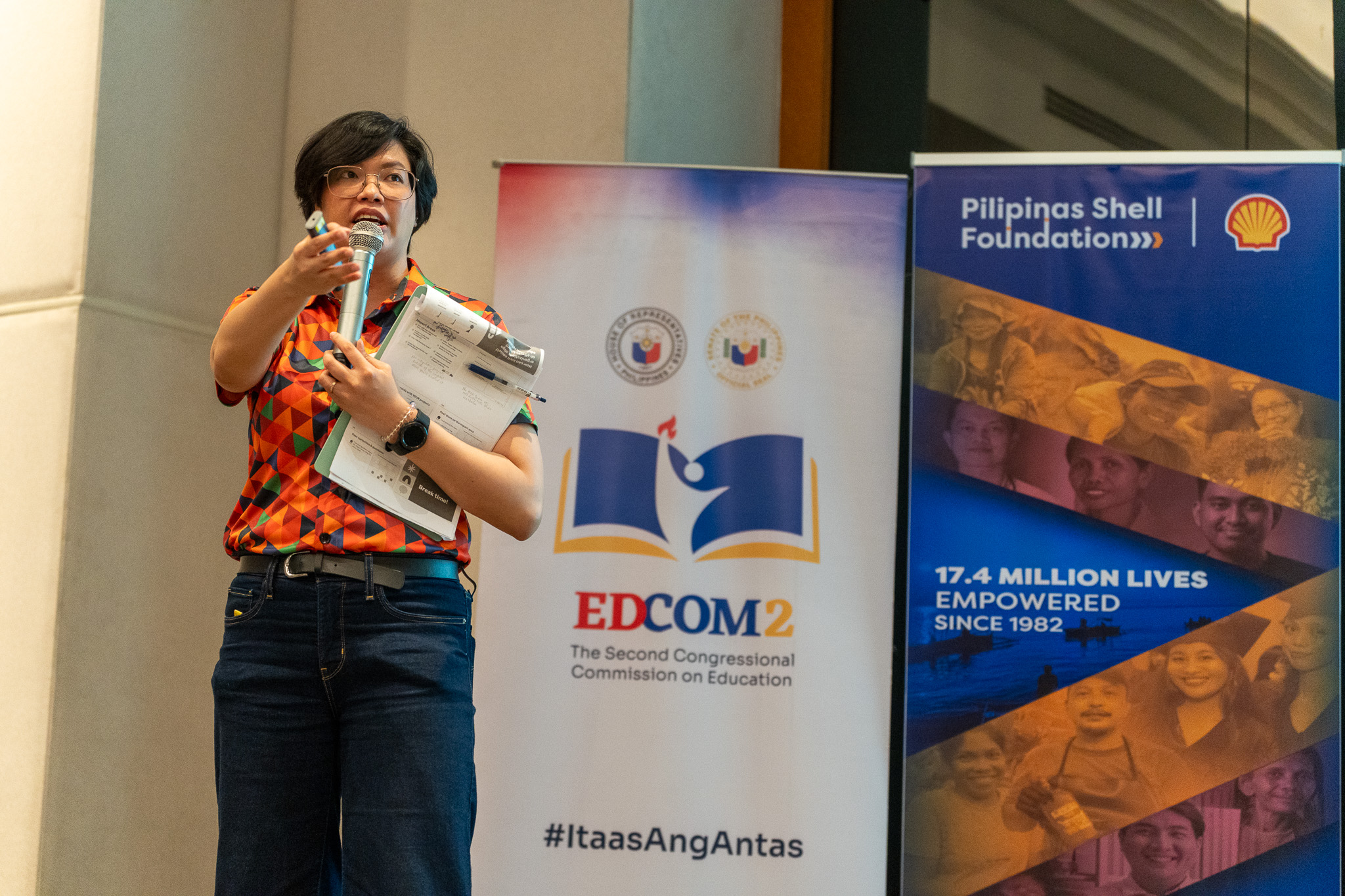
The discussions also highlighted civil society’s contribution beyond program implementation. EDCOM 2 Executive Director Dr. Karol Mark Yee emphasized the role of organizations in generating evidence, identifying gaps, reaching underserved communities, and providing feedback that can inform policy and program improvements.
Education reform cannot be sustained by the government alone. Civil society organizations bring us closer to the realities on the ground, the learners, families, and communities that our policies are meant to serve. We need to build a stronger feedback loop where evidence informs action, implementation informs policy, and the voices of communities help us continuously improve the system.
This exchange underscored the importance of connecting national reform priorities with the experiences of the people they are intended to serve. Community insights can help identify challenges in implementation, while evidence can guide organizations in refining their approaches.
Supporting the Foundations of Learning
PSFI’s briefing materials for the engagement emphasized the connections among education, health, nutrition, and economic opportunity. They highlighted Roots to Shoots as an example of the Foundation’s approach to supporting child nutrition, family well-being, livelihoods, and community resilience through partnerships.
Implemented in communities in Tarlac, Pampanga, and Camarines Sur, the program brings together development partners to address interconnected community needs. This approach connects with the roundtable’s attention to early childhood health, nutrition, and the conditions that support learning readiness.
For PSFI, the engagement provided an opportunity to connect its community development experience with a broader education reform agenda, while learning from organizations working across other areas of the sector.
Building Partnerships Beyond the Roundtable
The gathering marked an initial step toward closer coordination. EDCOM 2 indicated that it would continue engaging organizations working on the ground to understand implementation gaps, gather community evidence and experiences, and identify opportunities for collaboration in support of ongoing reforms.
By partnering in the convening, PSFI helped create a platform for these connections. The engagement reflects the role that the Foundation and SPC can play in bringing people, knowledge, and resources together around a shared goal: improving opportunities and outcomes for Filipino learners.