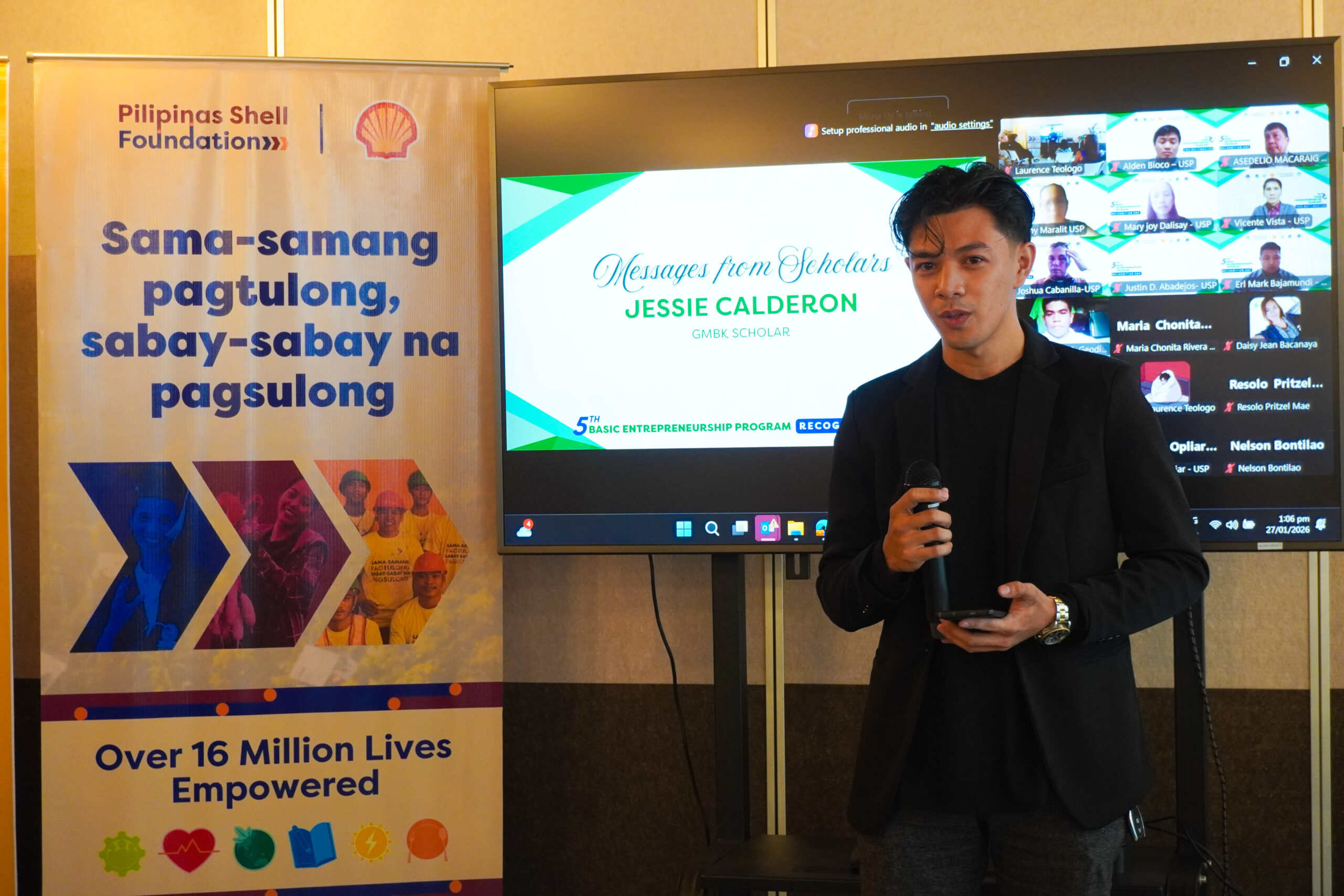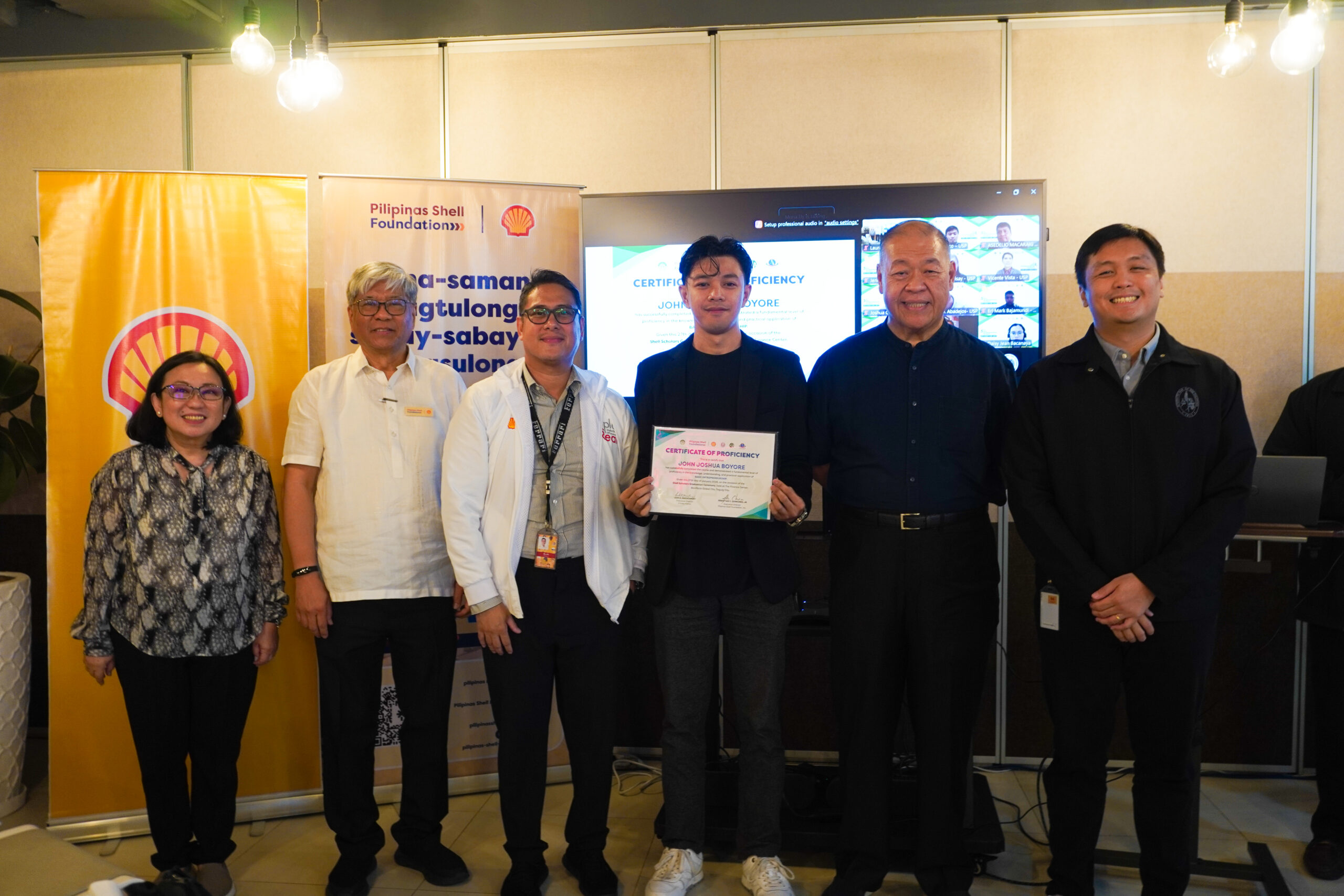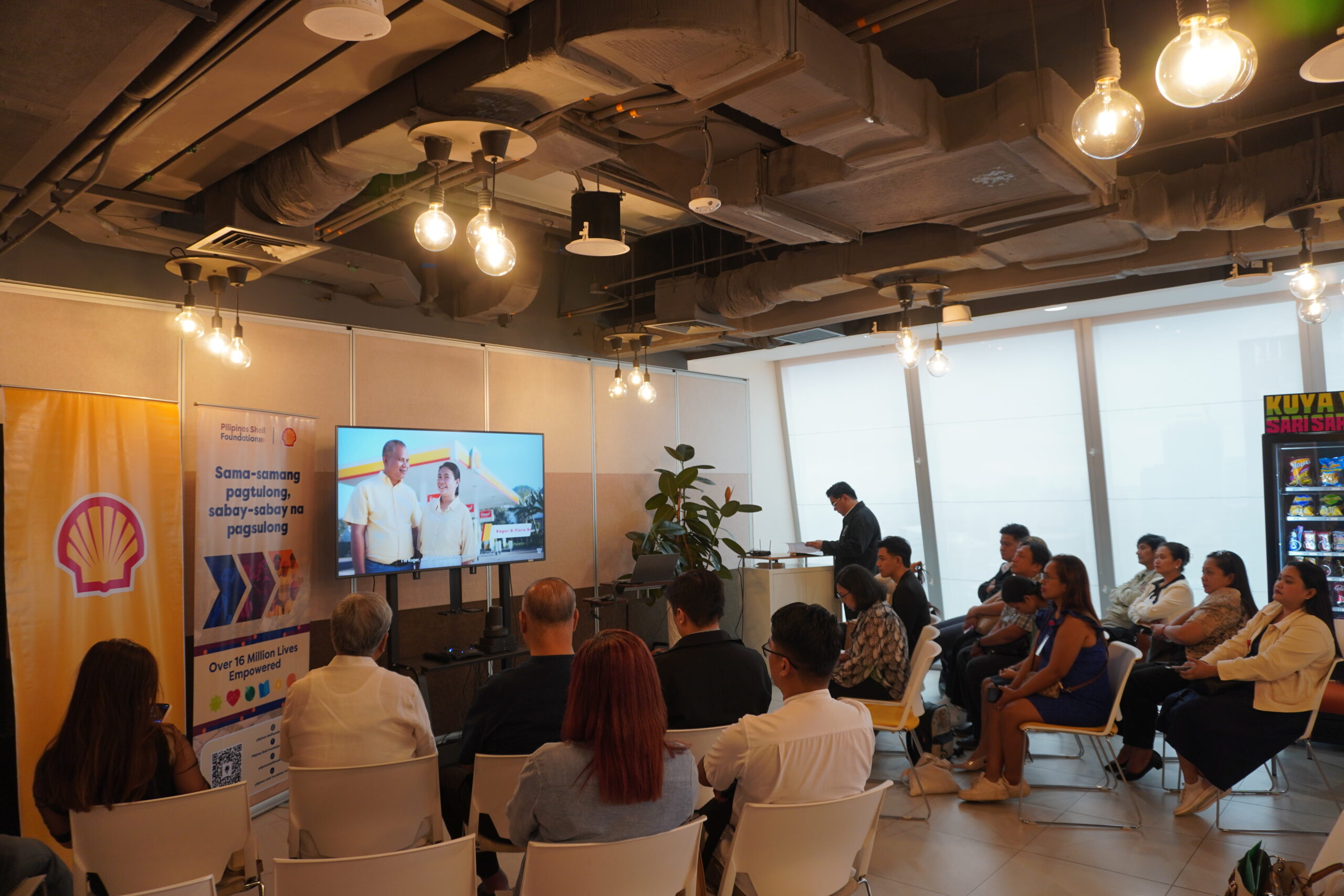

In Angono, Rizal, originally from Binangonan, John Joshua Boyore once ran his hustle the way many freelancers do. Fast. Reactive. Mostly instinctive. Fix the problem. Get paid. Move on.
Today, he runs something far more deliberate. A registered business. A growing client base. A stronger financial discipline. And a mindset built not just on repairing devices, but on refining systems.
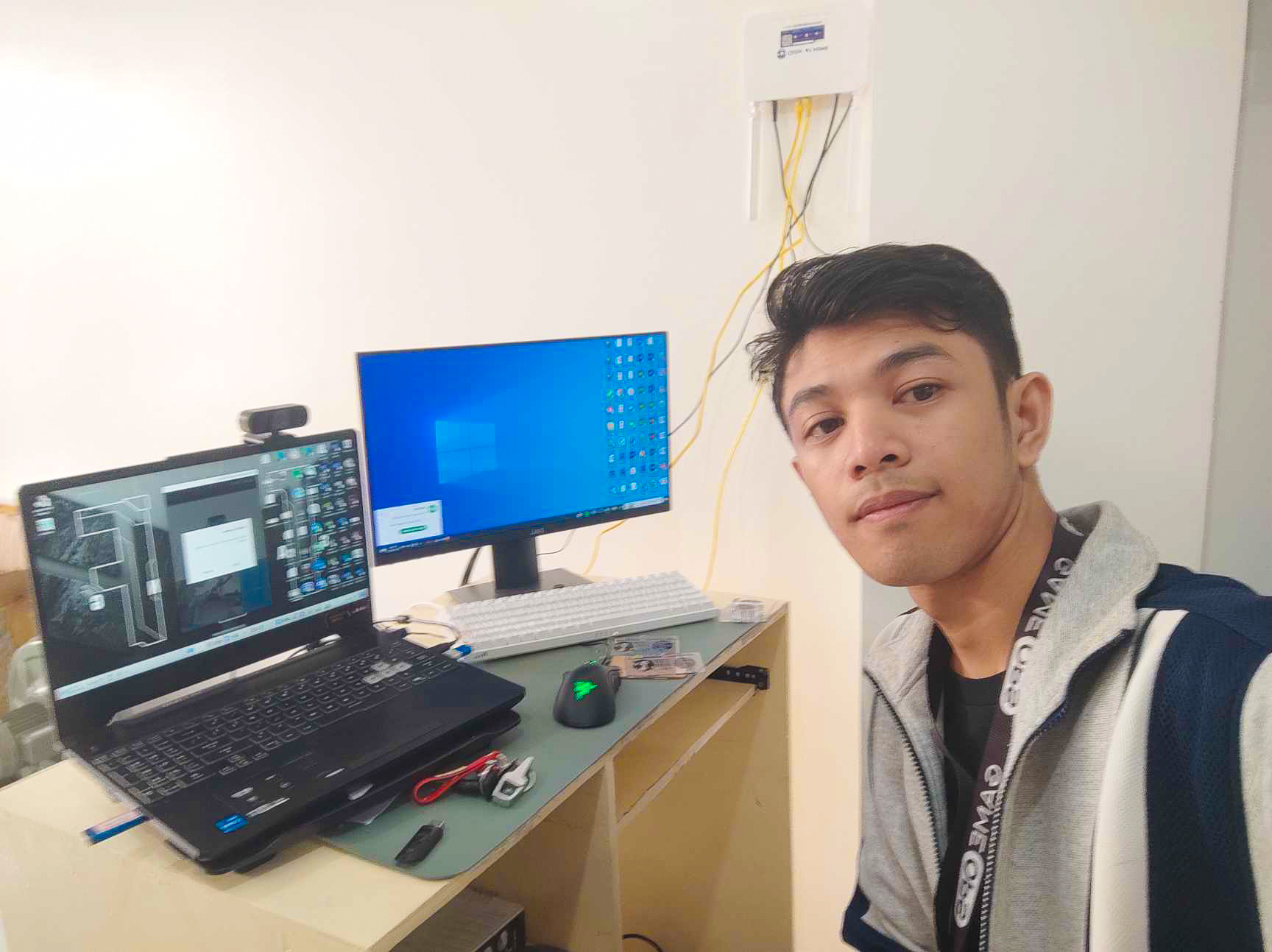
John is an Information Systems graduate who built his early experience through sidelines. Computer servicing and repair jobs came through referrals from former teachers and colleagues, often arranged through Facebook. He earned his NC II in Information Systems from TESDA while juggling freelance work and studies. His focus then was technical and immediate: replace faulty RAM, install operating systems, fix broken screens, clean internal hardware.
But growth, like good code, often begins with a prompt.
As a Shell Go+ member, John regularly visited Shell stations and learned about Unlad Sa Pasada (USP), a program under Pilipinas Shell Foundation, Inc. designed to support public utility drivers and their families through education and capacity-building opportunities. He saw the opportunity and grabbed it.
“I needed knowledge in business,” John shares. “My course had a business component, but I wanted to understand it deeper.”
Through Unlad Sa Pasada, implemented by PSFI with the support of partners including the Benita and Catalino Yap Foundation (BCYF), which contributed to his schooling, John entered a learning environment that went beyond technical skills. The scholarship provided tuition support, allowances, and even a tablet for school use. More importantly, it provided structured entrepreneurial education.
Under the guidance of mentors and instructors who made complex lessons accessible, John immersed himself in financial literacy, bookkeeping, marketing, and business planning. Concepts that once felt intimidating became tools he could apply immediately.
Before the program, his freelance work had no formal structure. No permits. No receipts. No clear workflows. “Gagawin ko lang,” he admits.
Through USP, he learned to formalize his operations. He secured his DTI registration, obtained barangay and mayor’s permits, and began organizing inventory and workflows. He had already been using digital tools like Slack, but the program exposed him to additional platforms for project management, documentation, and digital marketing. Technology, he realized, was not only for fixing devices. It could also strengthen operations, communication, and client relationships.
The biggest shift, however, was behavioral.
“I used to be impulsive. When I earned, I spent,” he says candidly.
Through financial literacy sessions, he learned to save, reinvest, and allocate resources strategically. Income from his services now goes back into upgrading tools, expanding service offerings, and planning long-term growth.
Mobility also plays a role in his business. John uses his motorcycle to travel to clients across Rizal and nearby areas. Fuel is a constant operational need, and he shares that he consistently fuels up at Shell. Being part of the Shell Go+ community and a USP scholar connected his daily routines to a larger support system that helped him grow.
Six months into the program, word-of-mouth referrals strengthened. His services expanded beyond hardware repair to include website and application quality testing. He now helps businesses identify user experience gaps, stress-test systems, and improve digital platforms.
It is a shift from fixing what is broken to building what works better.
There is also a personal dimension to the work. Solving technical problems gives him focus and calm. “When I’m fixing something, I’m focused. I’m helping. I’m not just staying still.”
Today, John continues to refine his services. From hardware upgrades and operating system installations to application setup and quality assurance testing, he is steadily building credibility in his field. His long-term vision includes partnerships with schools and organizations where his NC II training and entrepreneurial knowledge can intersect.
When asked what advice he would give to others considering opportunities like USP, he answers simply:
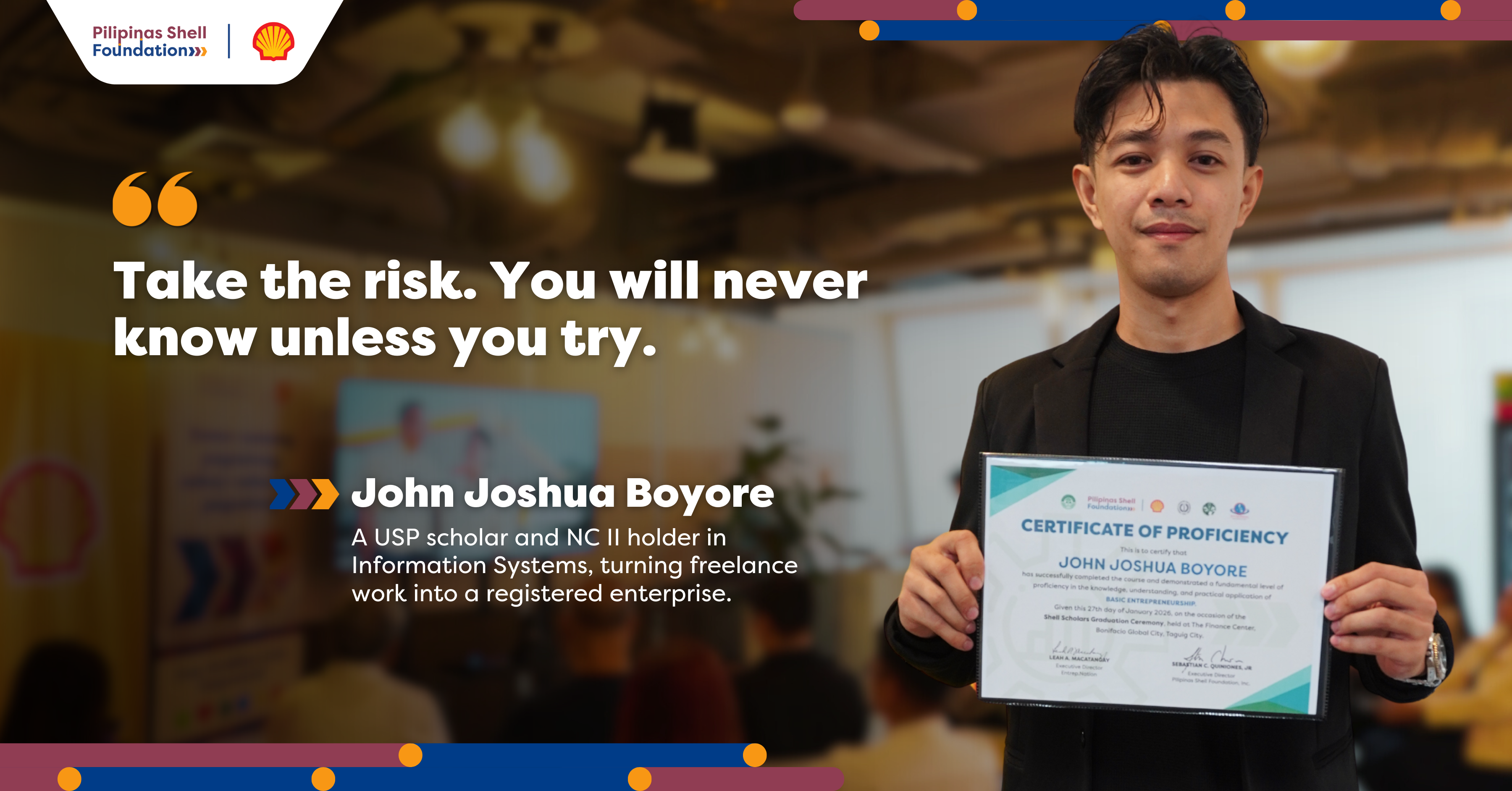
“Take the risk. You will never know unless you try. Sometimes the only thing you risk is time. But if you don’t try, you might regret not knowing what could have happened.”
From freelance fixer to registered entrepreneur, from reactive hustle to structured systems, John Joshua Boyore’s journey reflects what happens when technical skill meets structured support.
Through Unlad Sa Pasada, and with the support of the Benita and Catalino Yap Foundation (BCYF), PSFI continues to equip scholars not only with access to education, but with the mindset and systems needed to build sustainable futures.
Because sometimes, rewriting your code is not about changing who you are. It is about upgrading how you operate.