
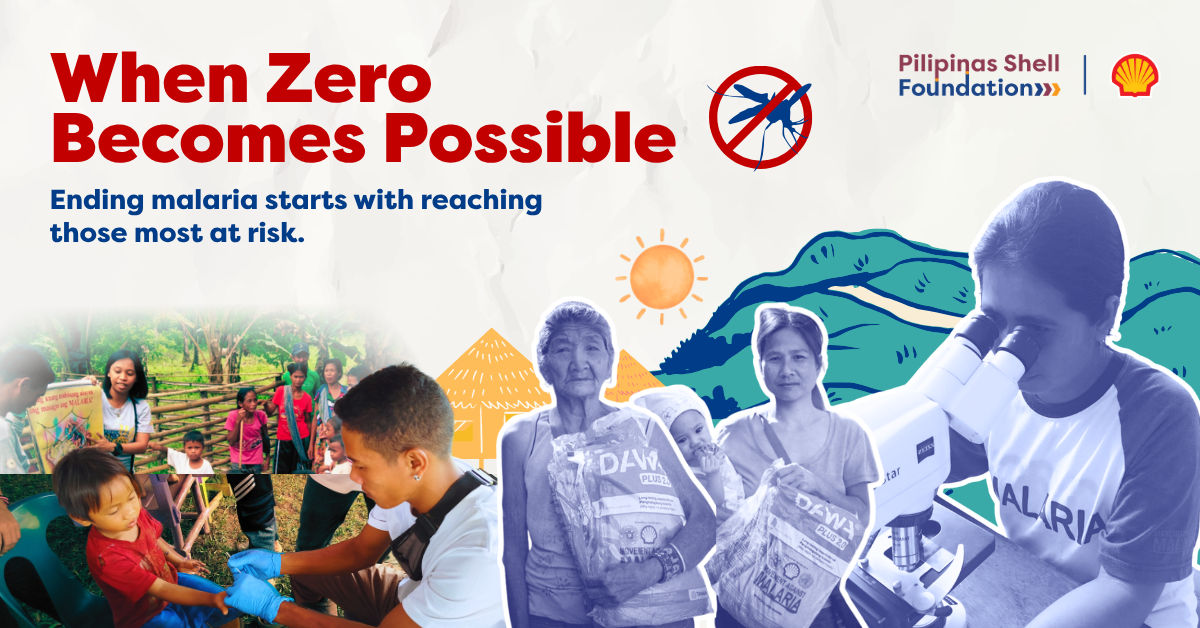
As the world marks World Malaria Day, the Philippines stands closer than ever to ending a disease that once posed a serious threat to many of its most vulnerable communities.
Through the Global Fund Movement Against Malaria (GFMAM) program—implemented by Pilipinas Shell Foundation, Inc. (PSFI) in partnership with national and local stakeholders—the country is making strong, measurable progress toward the goal of a malaria‑free Philippines by 2030.
At the center of this effort is Palawan, now the final province with indigenous malaria transmission and the focus of the country’s most intensive elimination interventions.
Steady Progress Nationwide
Malaria cases in the Philippines have declined significantly over the last two decades—from more than 50,000 cases in 2004 to just over 1,950 cases by 2025. Today, 74 of 82 provinces are recognized as malaria‑free by the Department of Health (DOH), reflecting sustained investments in prevention, disease surveillance, and access to treatment. Palawan represents both the remaining challenge and the greatest opportunity to complete the country’s elimination journey.
2025 Results Highlight Strong Momentum
Ahead of World Malaria Day, program results in 2025 demonstrate accelerated progress:
- 617,909 individuals collectively reached through testing, treatment, and preventive interventions
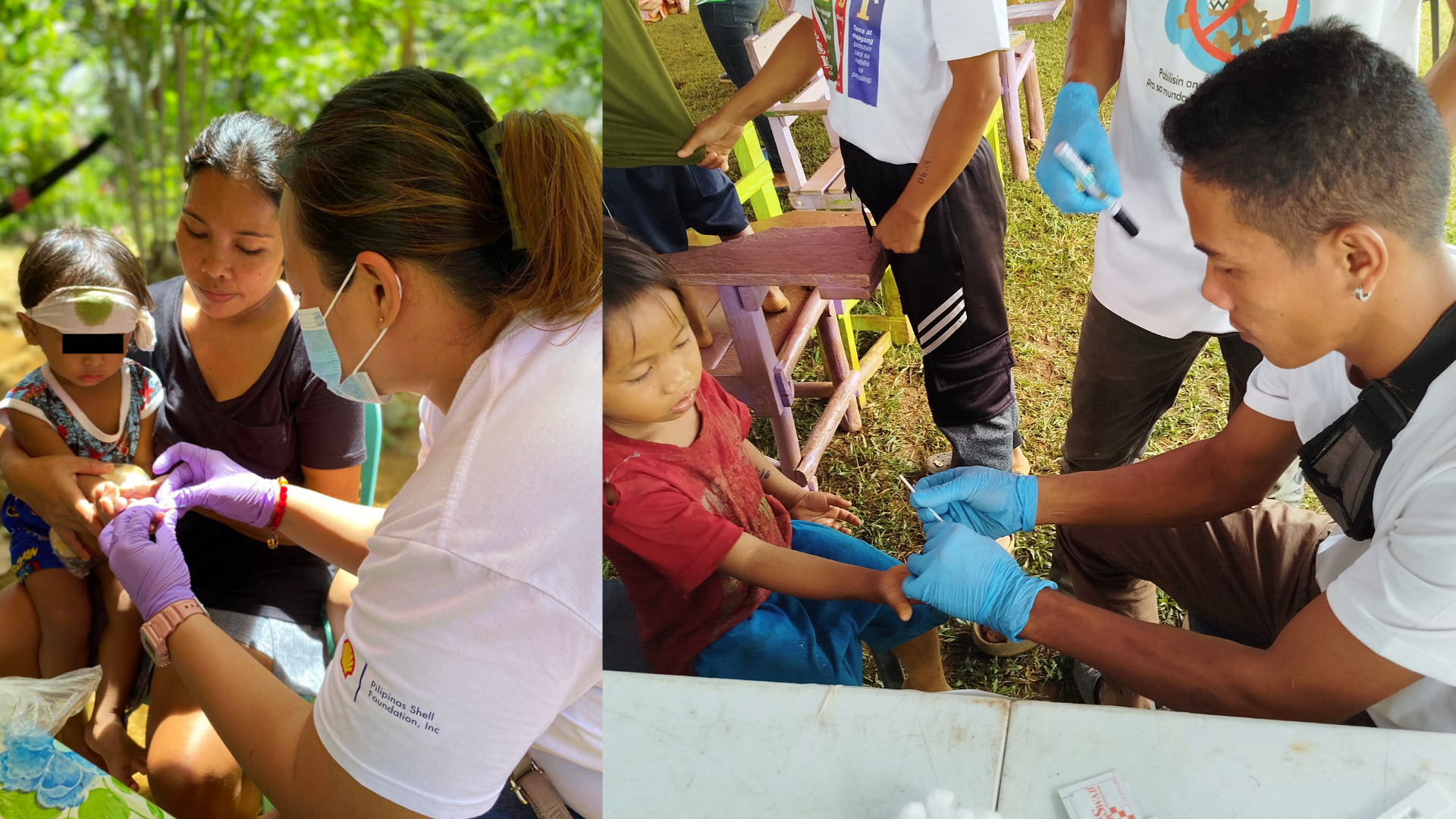
- 576,917 malaria laboratory examinations conducted for early detection
- 100% treatment coverage for all confirmed malaria cases
- 78% reduction in indigenous malaria cases compared to 2024
- Zero malaria‑related deaths reported
These outcomes mark the lowest number of recorded malaria cases in Philippine history, underscoring the effectiveness of targeted, community‑based approaches.
Prioritizing Hard to Reach Communities
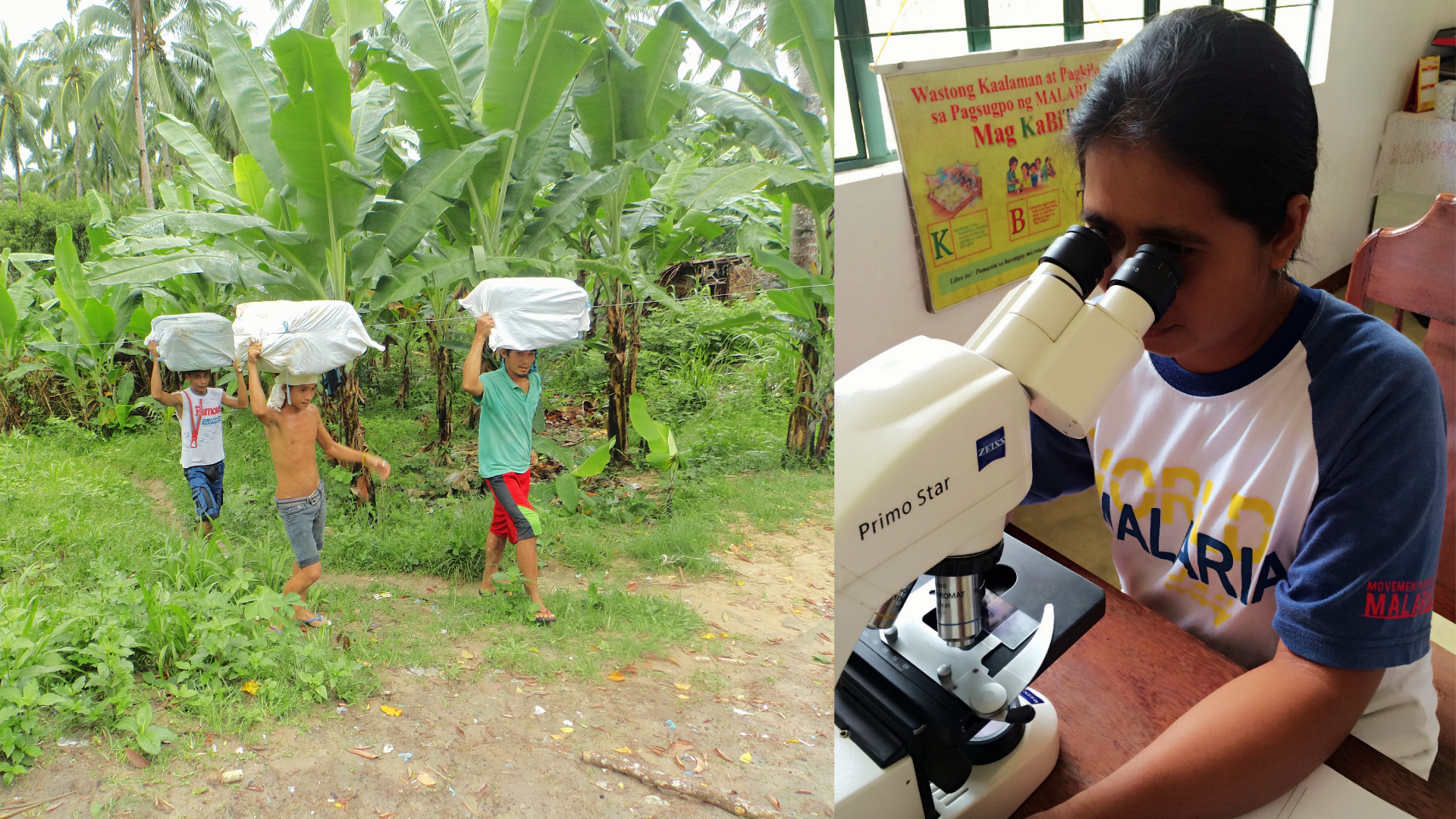
Consistent with the World Malaria Day call to “reach the unreached,” the GFMAM program prioritizes indigenous and remote communities in South Palawan, where access to basic health services is often limited.
Key strategies include:
- Targeted Testing and Treatment (TTaT) to detect cases early
- Strengthened disease surveillance and local health systems
- Distribution of long‑lasting insecticidal nets (LLINs)
- Mass Drug Administration (MDA) in high‑risk areas
Adaptive approaches also ensure continued coverage for mobile populations such as farmers and seasonal workers, helping break transmission even in difficult‑to‑serve settings.

A Shared Commitment to Elimination
The progress achieved reflects strong collaboration among PSFI, the Department of Health, local government units, research partners, and community volunteers.
In 2025, this collective effort was reinforced through the Byaheng Kulambo advocacy campaign, which aims to mobilize:
- Local government leadership in malaria elimination initiatives
- Municipal and provincial policy support, formalized through official resolutions
These partnerships ensure that malaria elimination is embedded in local systems and sustained beyond project timelines.
Looking Beyond World Malaria Day
This World Malaria Day serves as both a moment of reflection and a call to action. The target is clear: zero malaria cases in Palawan by 2026, and nationwide elimination by 2030.
For PSFI, eliminating malaria is more than a health milestone. It is a long‑term investment in communities—protecting lives, strengthening health systems, and creating conditions where families can thrive without the burden of preventable disease.
As the Philippines enters the final stretch toward elimination, the message is clear: ending malaria is possible—and it is within reach.