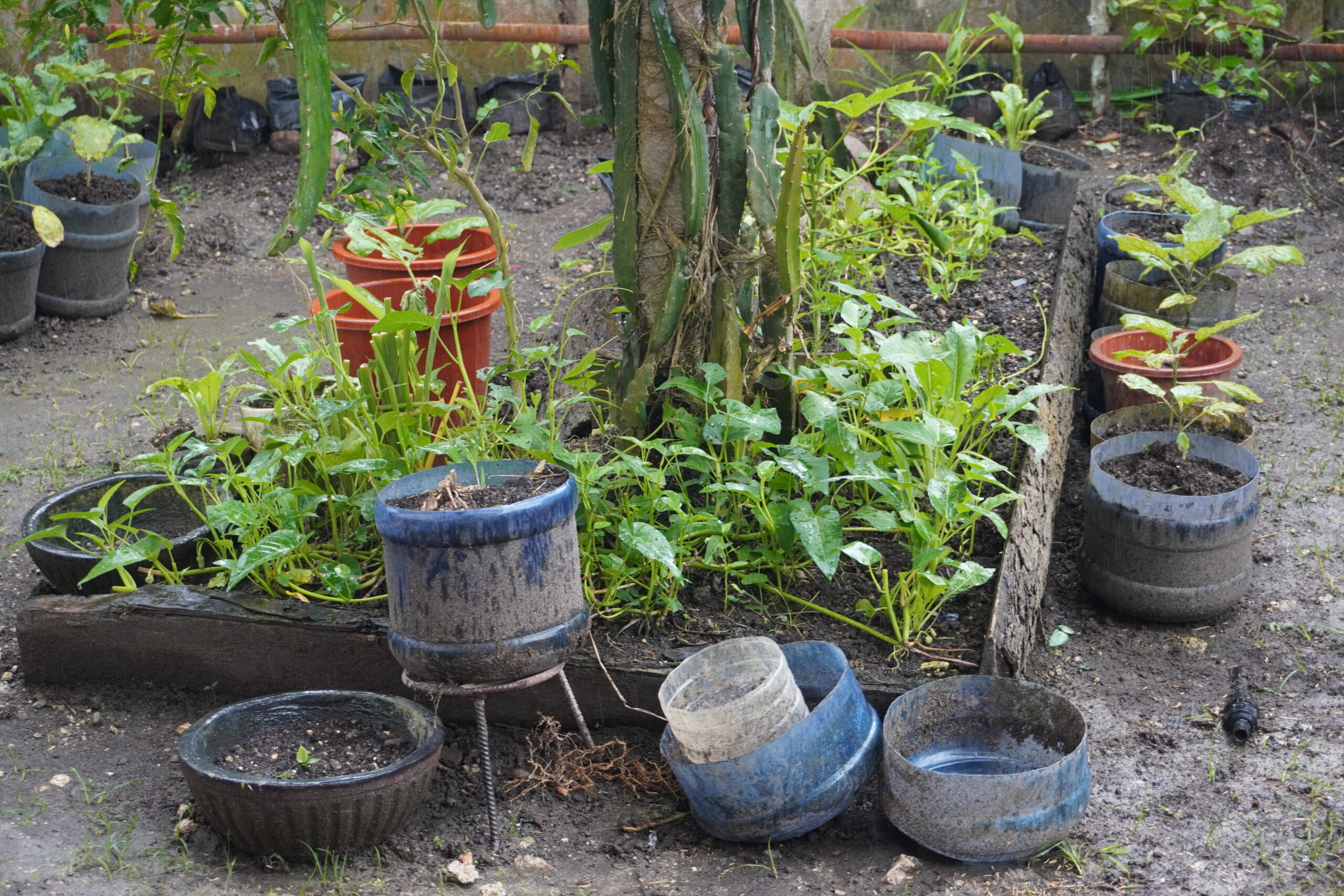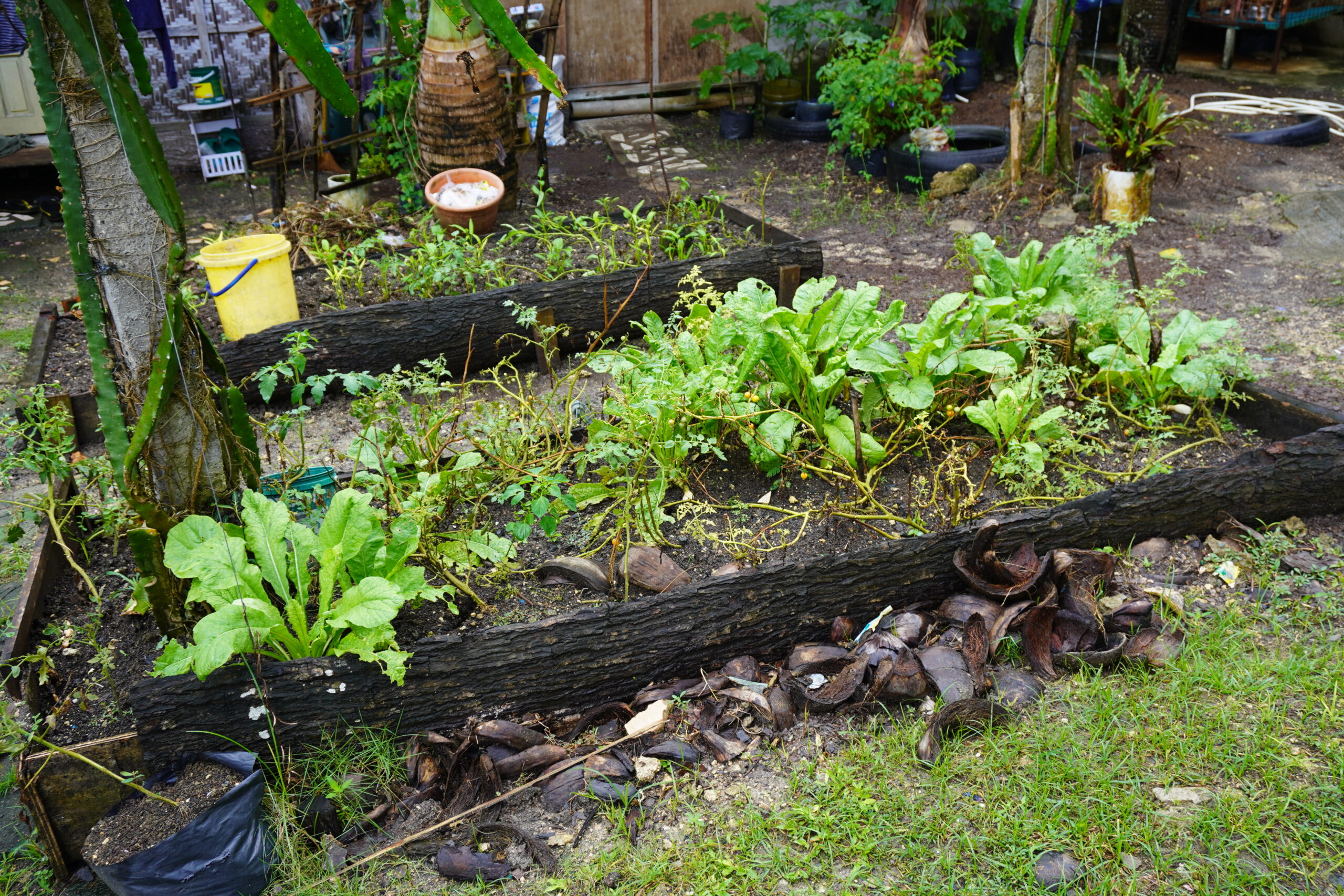

When the pandemic disrupted livelihoods in Tagbilaran City, a group of persons with disabilities (PWDs) chose not to wait for assistance. Instead, they organized and began building something sustainable. One container garden at a time.
Led by Ms. Lorna Sayson Cañete and Ms. Lalaine Batausa, the Association of Persons with Disability Workers in Tagbilaran City (APWDWTC), a federation spanning 15 barangays, found common ground in something both simple and essential. Food.
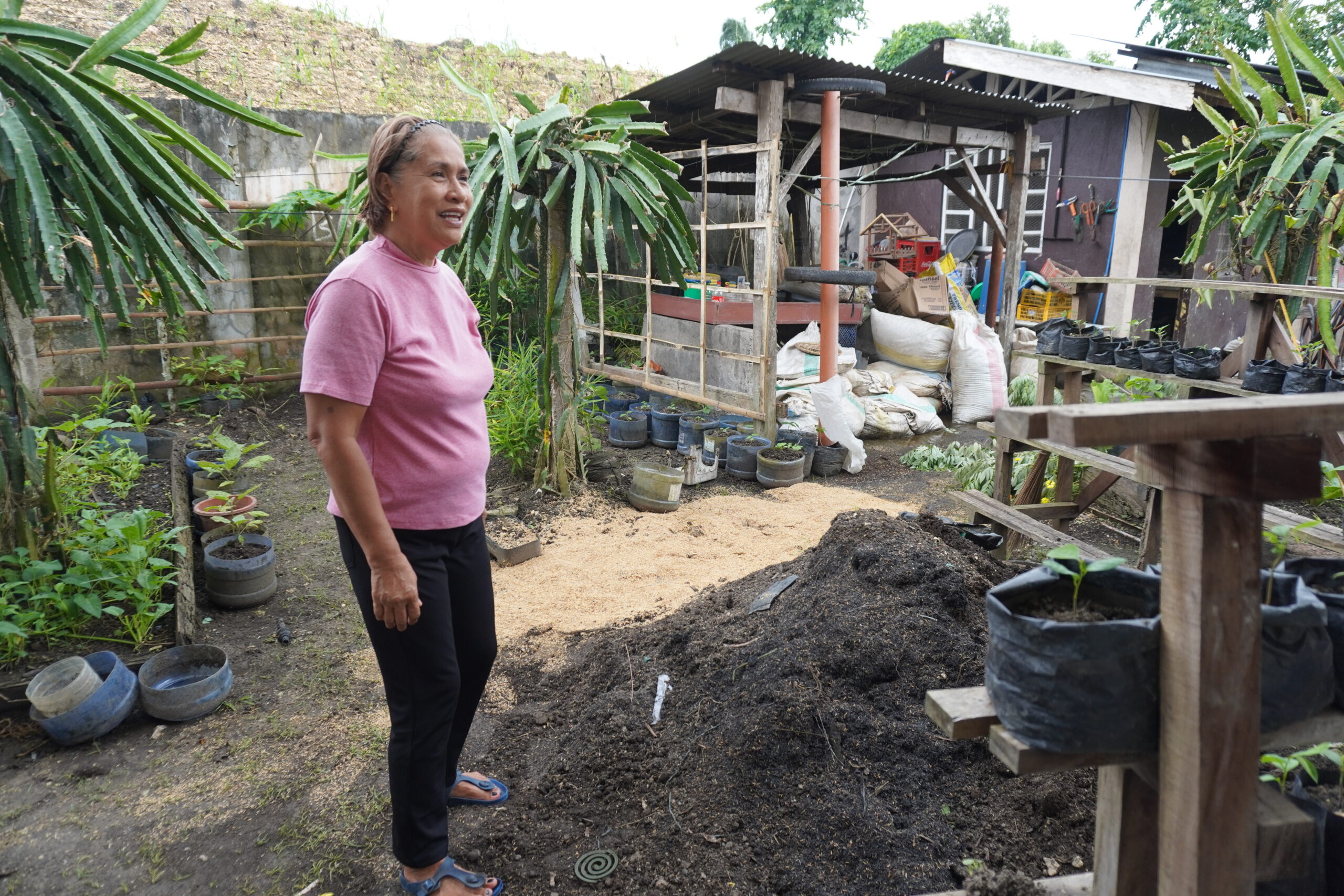
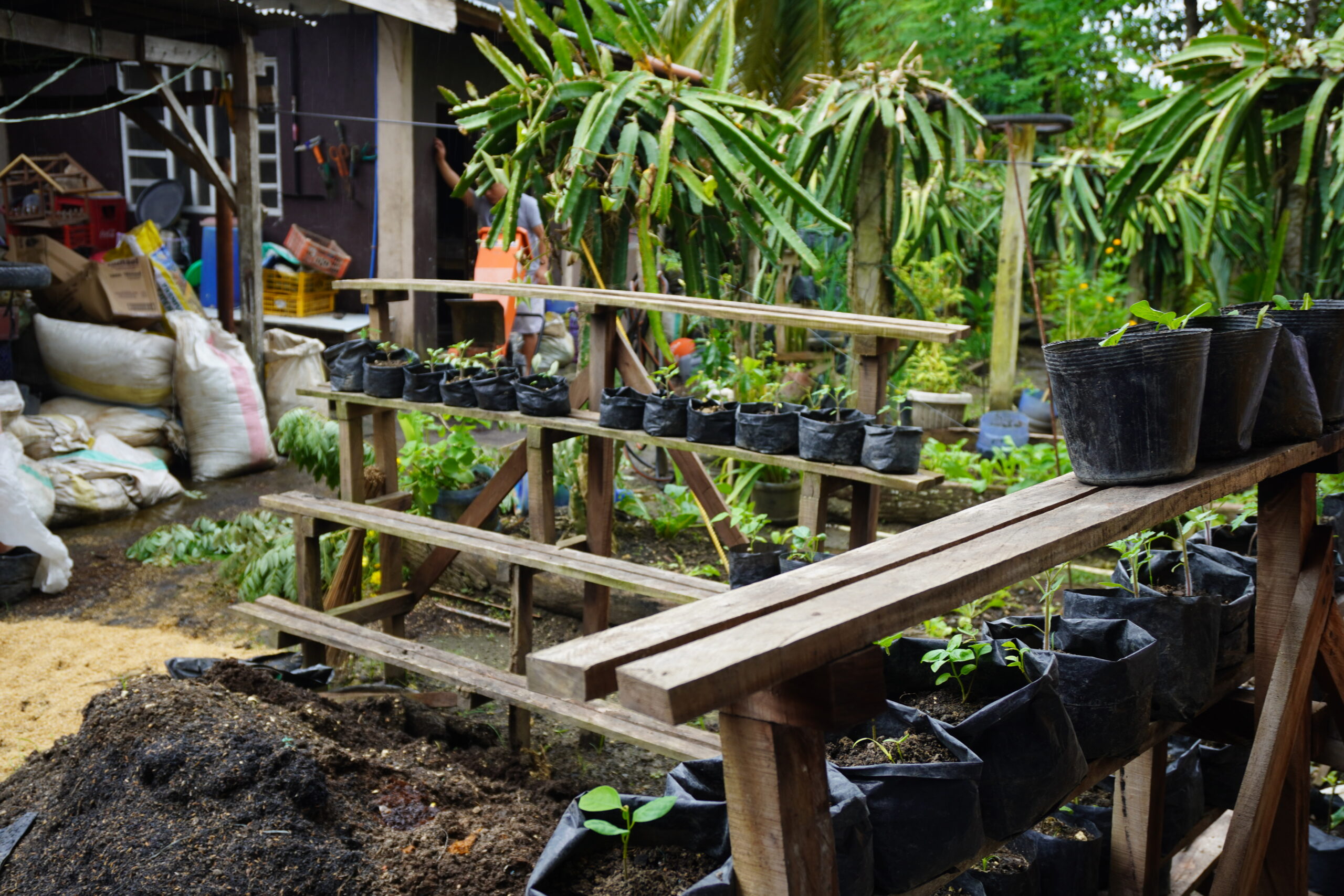
Barangay Tiptip became one of the first to mobilize members interested in gardening. With guidance from trainers, including former USAID city coordinator Dr. Rosalinda Paredes, the group sought to strengthen their skills. In 2023, the Agricultural Training Institute provided a three-day training on urban containerized gardening for 20 participants. This initiative led to the formation of the Urban Gardeners, a dedicated subgroup under APWDWTC.
Working within limited urban spaces pushed the group to think long term. They focused on soil health and sustainability, eventually producing vermicast to support their gardens. For them, food security meant building systems they could sustain on their own.
“Nasa lupa ang buhay ng halaman,” Ms. Batausa shared. “Hindi pwedeng laging humingi. Kailangan matuto kaming mag-produce at mag-compost.”
This mindset of self-reliance has guided the organization from the start. Even during lockdowns, APWDWTC formalized its operations and registered with the Department of Labor and Employment in 2020. They also strengthened partnerships with the Persons with Disability Affairs Office and received capacity development support from the Leonard Cheshire Disability Philippines Foundation. This included orientations on PWD rights, relevant laws, and engagement with national agencies such as the Department of the Interior and Local Government and the National Council on Disability Affairs.
Beyond livelihood, the organization has become a platform for advocacy. Members conduct sensitization sessions for local governments, schools, and institutions, emphasizing that PWDs are not defined by limitations, but by capability. They promote inclusive practices such as accessible infrastructure, sign language interpretation, and personal assistance, while encouraging fellow members to assert their rights with responsibility.
“Hindi porket PWDs tayo, wala tayong kakayahan.”
This belief also shapes how they view support. Rather than relying on dole-outs, APWDWTC prioritizes livelihood-based solutions. Members contribute what they can during meetings, even simple meals, reinforcing the idea that progress is built through shared effort.
“Hindi naman darating yung grasya nang hindi ka nagpapagod. You need to exert effort,” Ms. Lalaine shared.
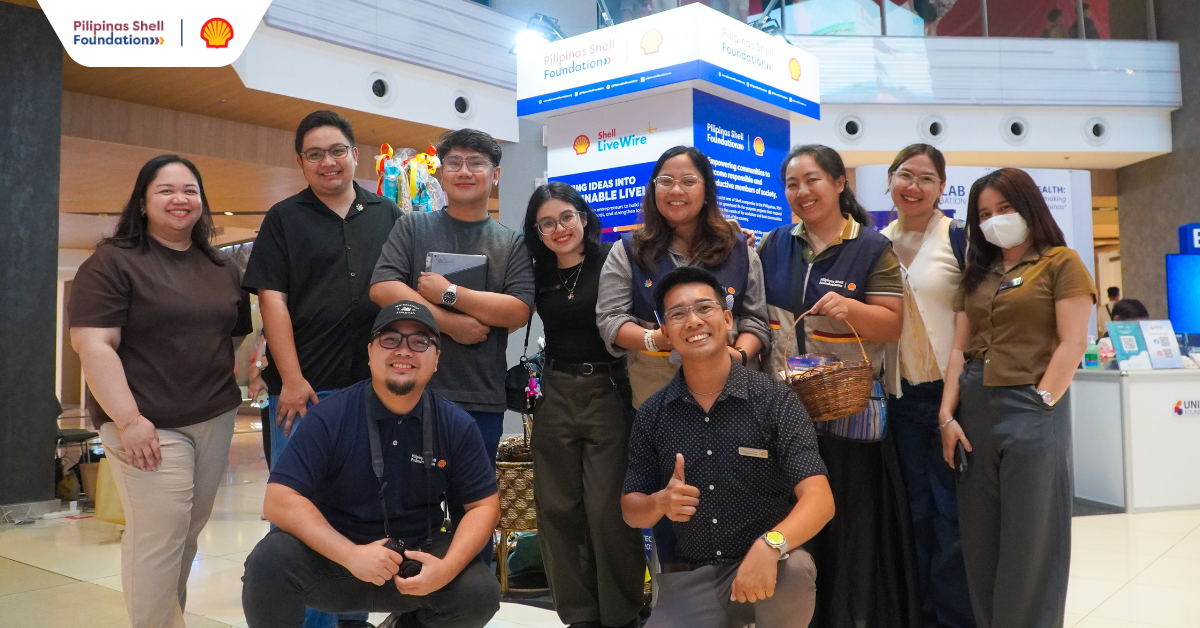
Through Pilipinas Shell Foundation, Inc. (PSFI), the group received support that went beyond equipment. Members participated in trainings and mentoring under the Shell LiveWIRE program, gaining knowledge in enterprise development, sustainability, and basic business skills over a three- to four-month period.
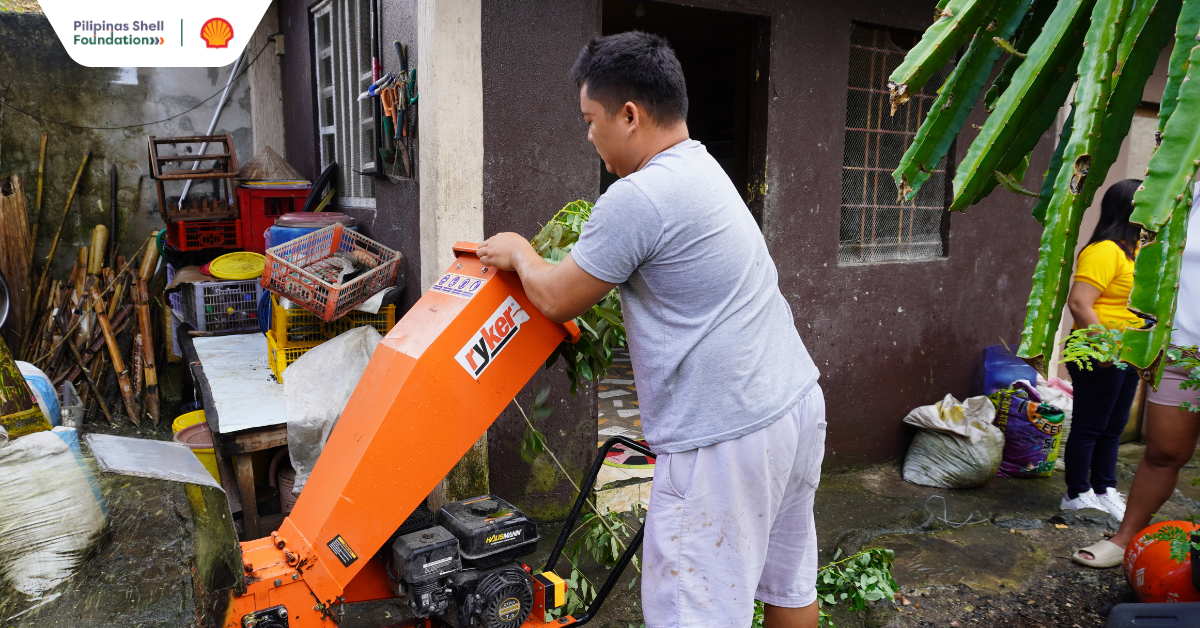
PSFI also provided essential tools and materials to strengthen their operations. These included African Nightcrawler worms, shredders, and key inputs such as molasses, garden soil, and carbonized rice hulls. These resources improved compost quality, enhanced soil fertility, and enabled members to scale their container and home gardening efforts.
With improved systems in place, members are now able to grow their own food and generate income through vermicast production.
The impact goes beyond harvests. It is a story of dignity taking root, where livelihood, food security, and inclusion grow together.
“We have a story to tell,” Ms. Lorna shared. “Hindi madali ang produksyon, pero pinapakita namin na ang PWDs ay kayang mag-produce, magtrabaho, at mag-ambag.”
What began as a response to crisis has evolved into a quiet but powerful movement. One grounded in resilience, strengthened by partnerships, and sustained by the belief that when people are equipped with the right tools, skills, and opportunities, they can build their own path forward.