
Across several farming communities in Camarines Sur, learning new ways to cultivate the land is opening opportunities for stronger livelihoods and more resilient households.
Through the Integrated Farming Bio-System (IFBS) Training Program, Pilipinas Shell Foundation, Inc. (PSFI), in partnership with local government units, continues to equip farmers and fisherfolk with practical skills that support sustainable agriculture and diversified livelihoods. In 2025, the program reached 349 beneficiaries across the municipalities of Balatan, Pamplona, Minalabac, and Cabusao, strengthening the capacity of communities to improve food production and create new economic opportunities.
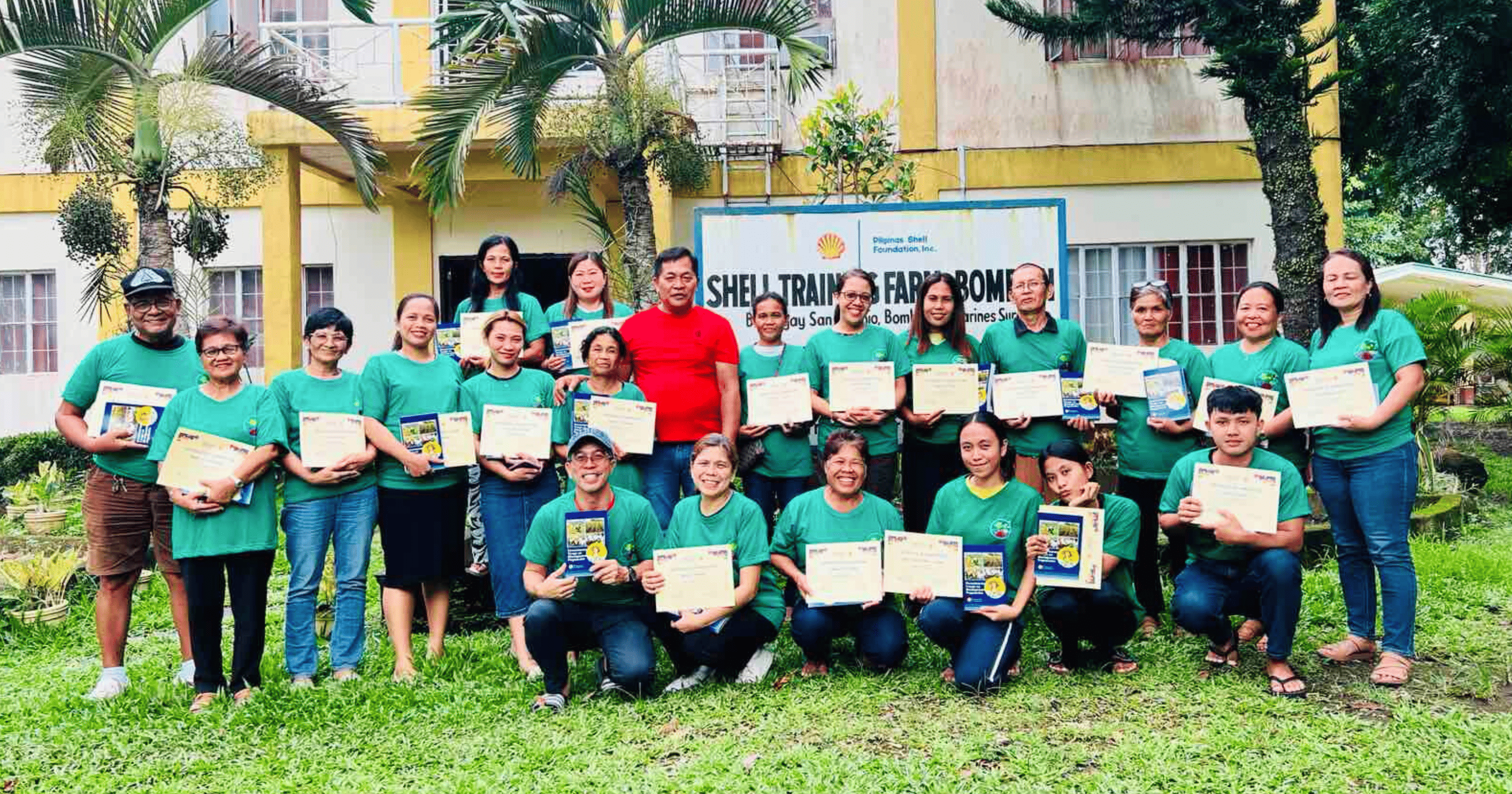
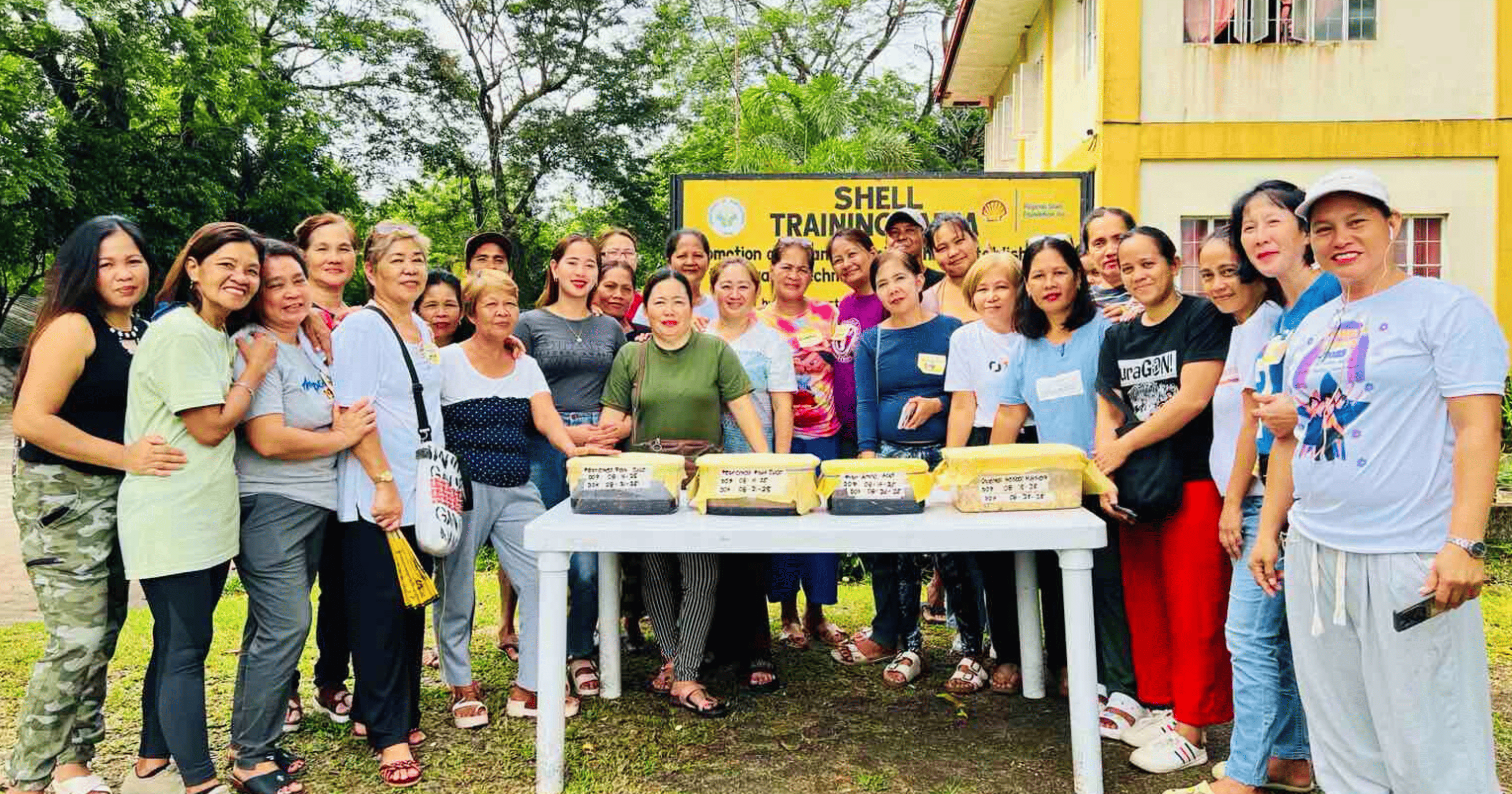
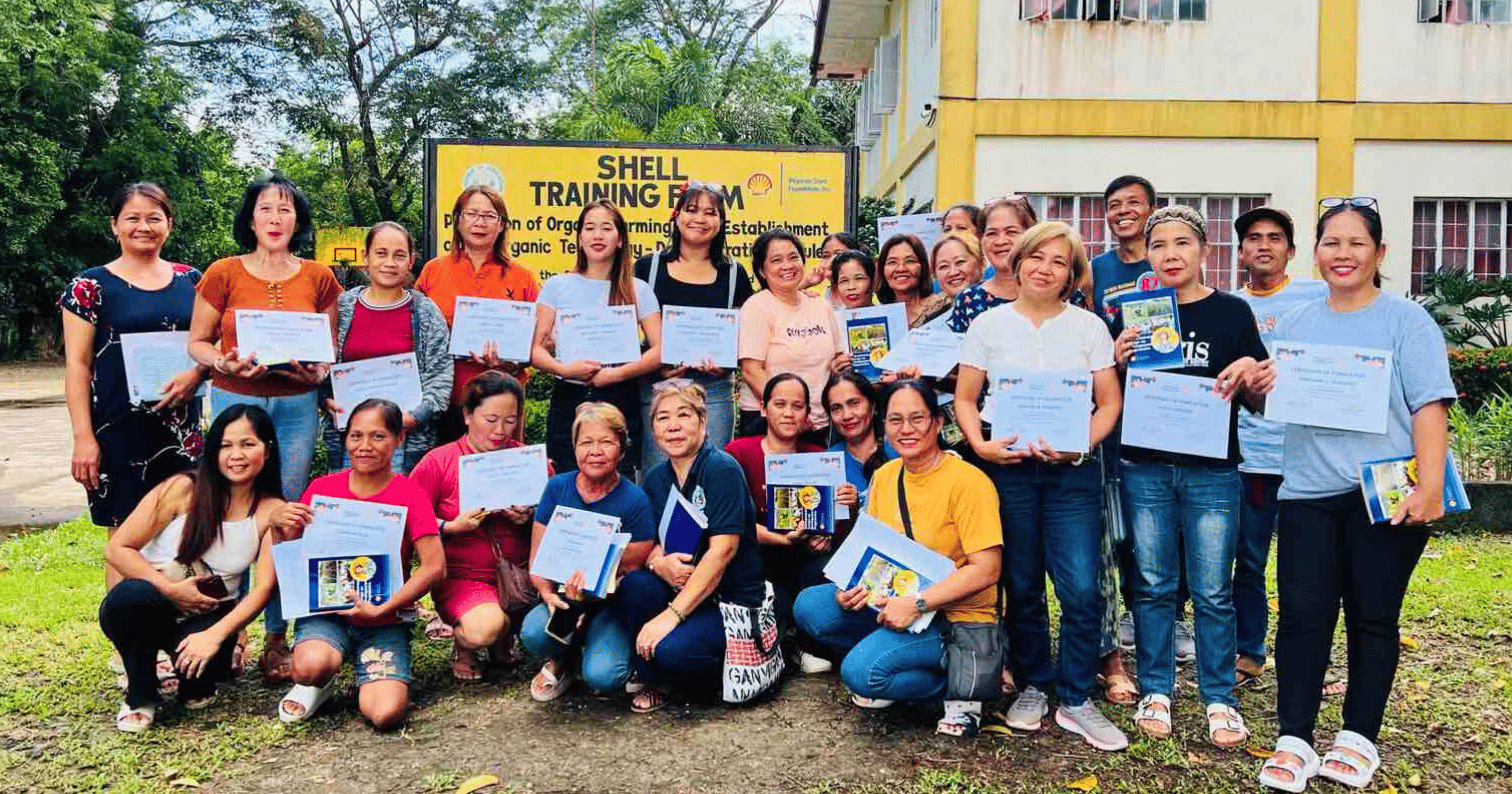
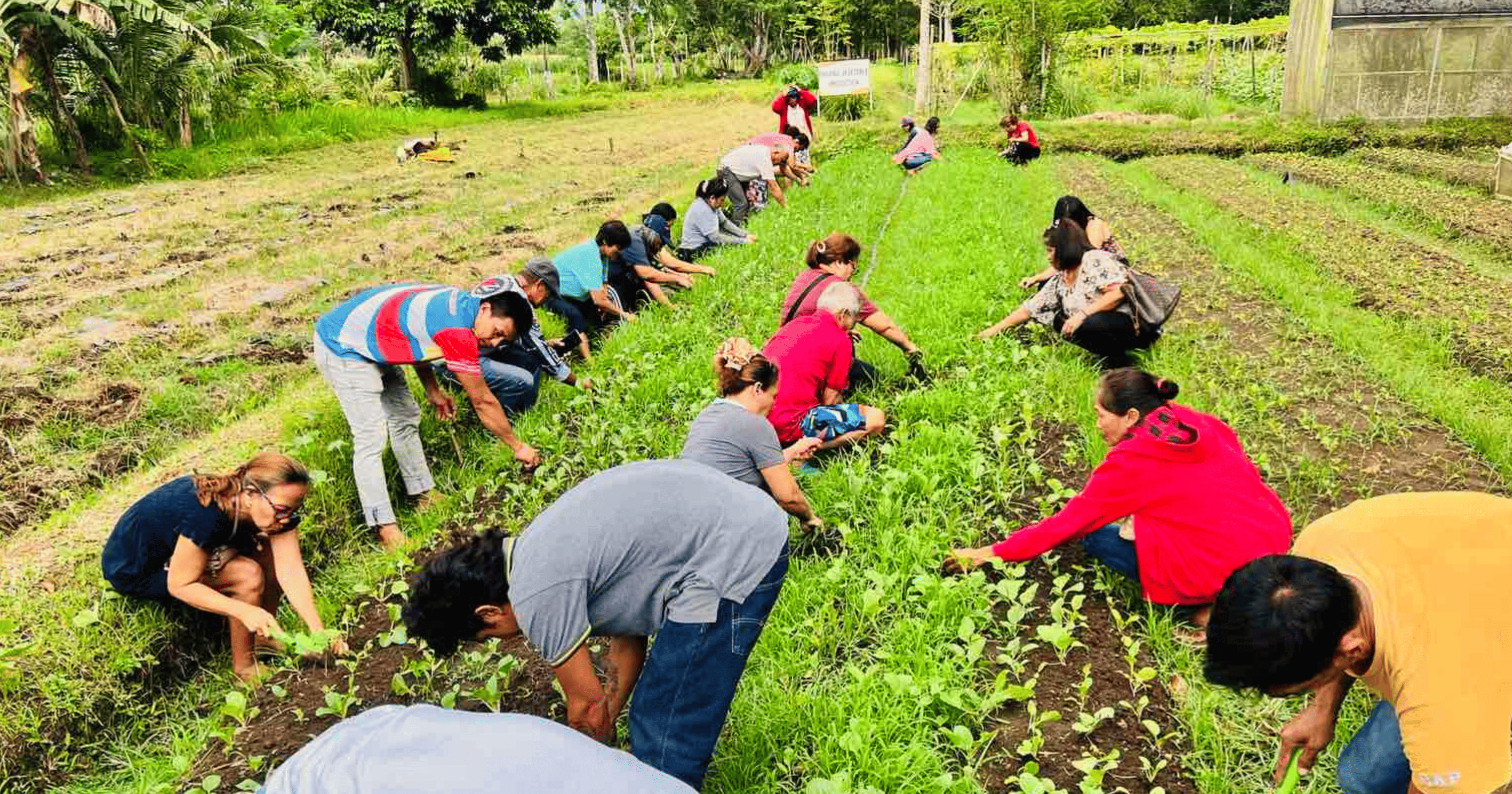
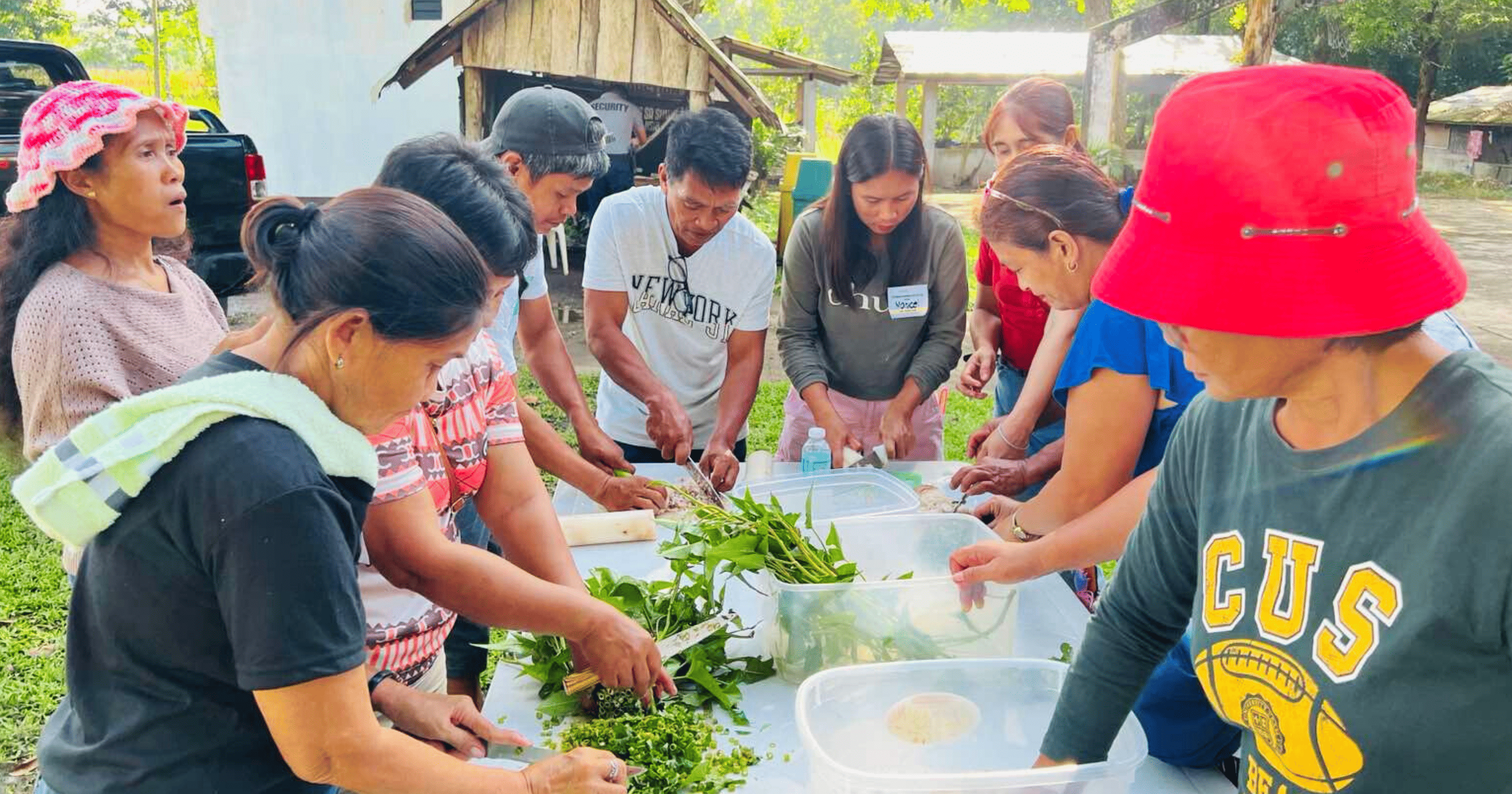
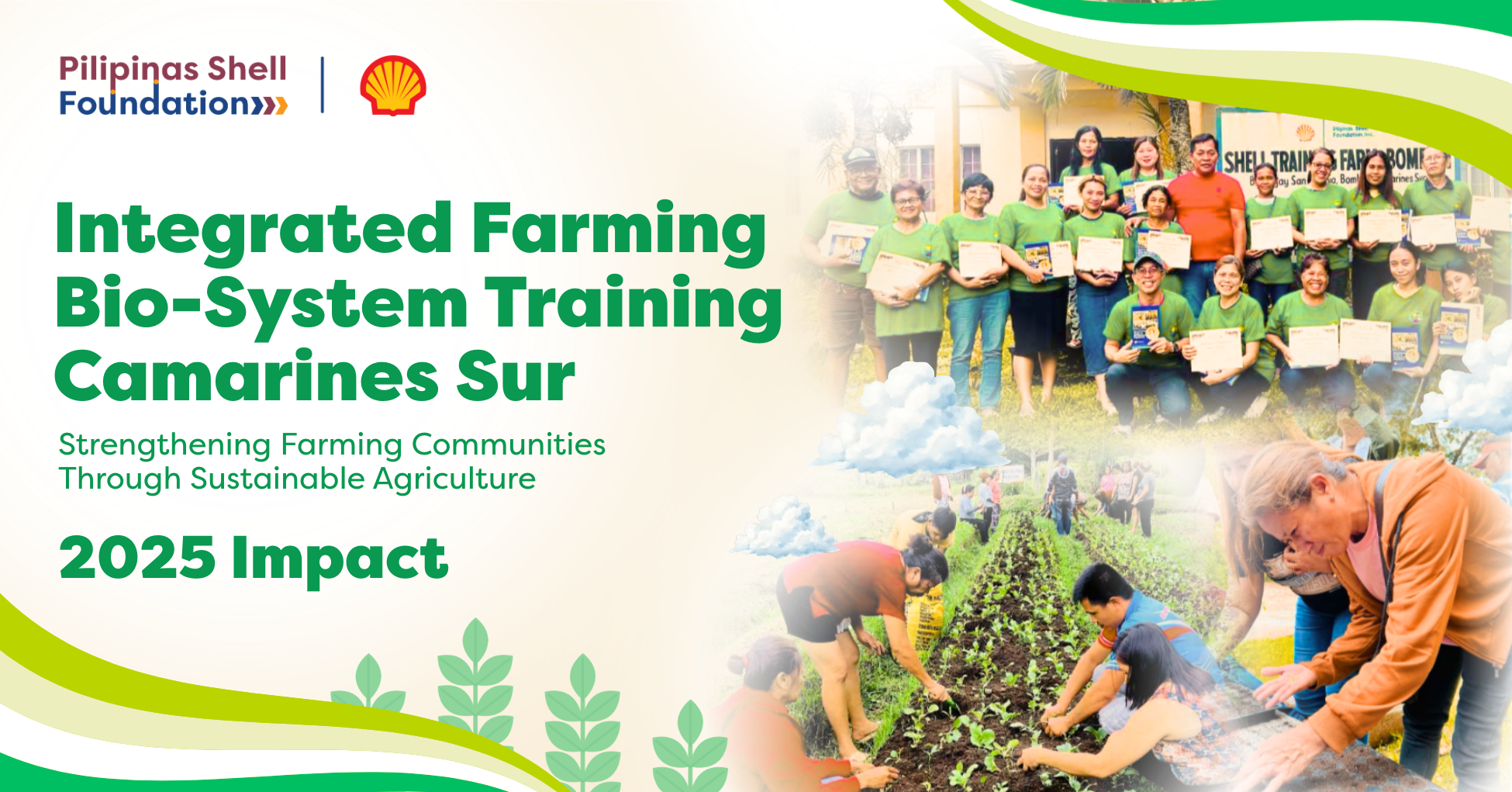
At the Shell Training Farm in Bombon, Camarines Sur, participants attended hands-on training sessions that introduced integrated farming practices and value-adding techniques such as food processing. The workshops focused on sustainable farming methods, crop diversification, and efficient resource management that farmers can apply directly in their own farms.
A total of 202 farmers completed the IFBS training, surpassing the program’s target and demonstrating strong community interest in adopting improved farming practices. In addition, 147 participants completed food-processing upskilling sessions, equipping communities with skills to transform agricultural produce into higher-value products.
Beyond training sessions, the program emphasizes immediate application. Farmers received starter kits with vegetable seeds, enabling them to implement what they learned in their farms and backyards. Early results show encouraging progress, with participants beginning to diversify crops, improve household food supply, and explore small-scale enterprise opportunities.
In Balatan, members of the Tapayas Farmers Association (TAFA) are already putting their training into practice. After completing the program, farmers expanded into vegetable production and began exploring collective marketing strategies to bring their harvests to larger markets. By consolidating produce and coordinating sales, the association is strengthening its bargaining power while reducing post-harvest losses.
These efforts are contributing to tangible improvements within the community. Households adopting the new practices report increased vegetable production, improved dietary diversity, and additional income from agricultural and food-processing activities.
The program’s success also reflects strong collaboration between PSFI, local government units, and community organizations. Municipal partners supported the initiative by mobilizing participants, facilitating transportation to training sessions, and connecting farmers with local cooperatives and networks that sustain the program beyond the training period.
Since its inception, the IFBS program has reached more than 20,000 beneficiaries nationwide, demonstrating how sustained capacity building can strengthen farming communities from the ground up.
As farmers continue applying these practices in their fields and communities, the program’s impact extends beyond improved harvests. It is helping cultivate a new generation of farmers who are not only producers, but also innovators, entrepreneurs, and stewards of more sustainable food systems.