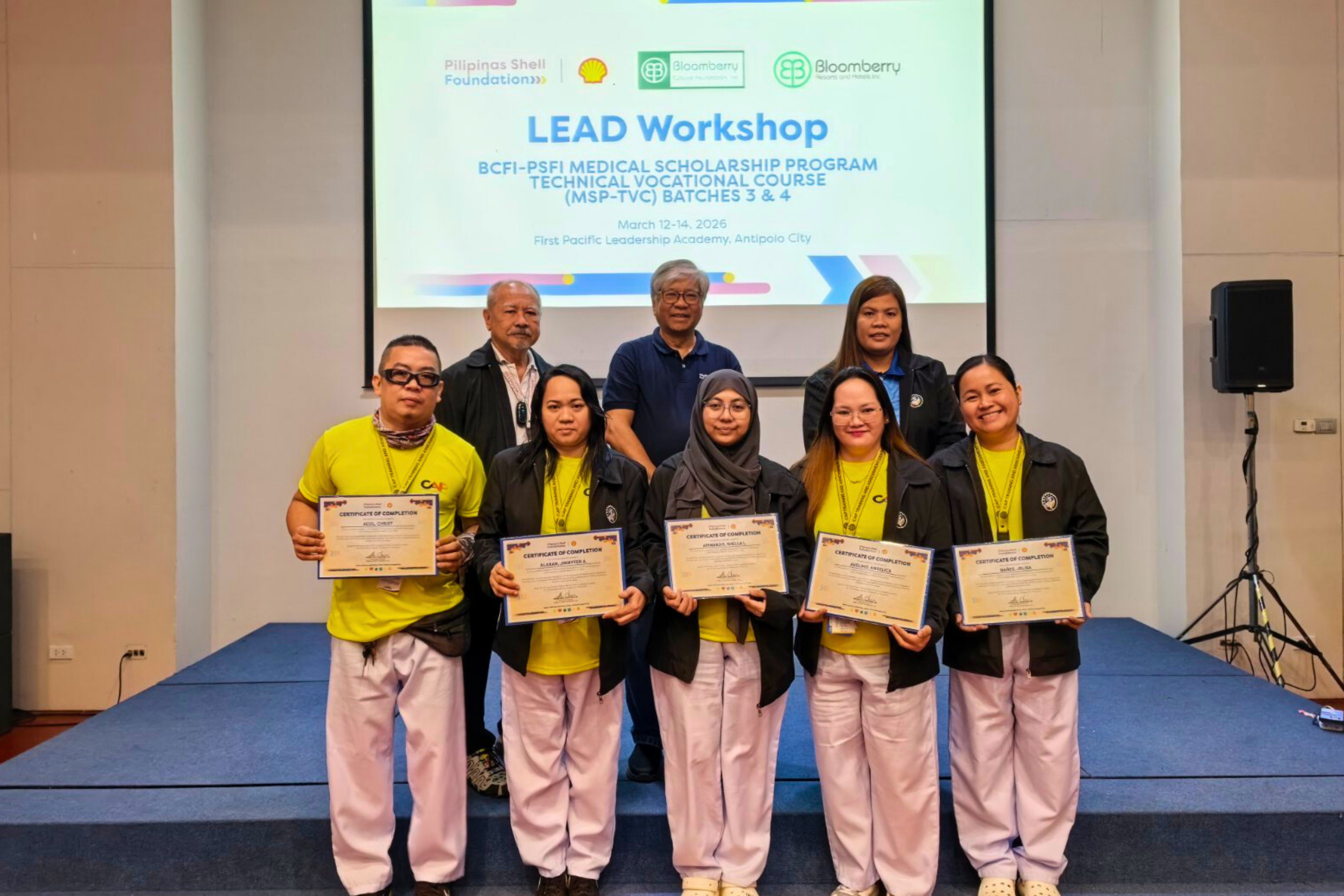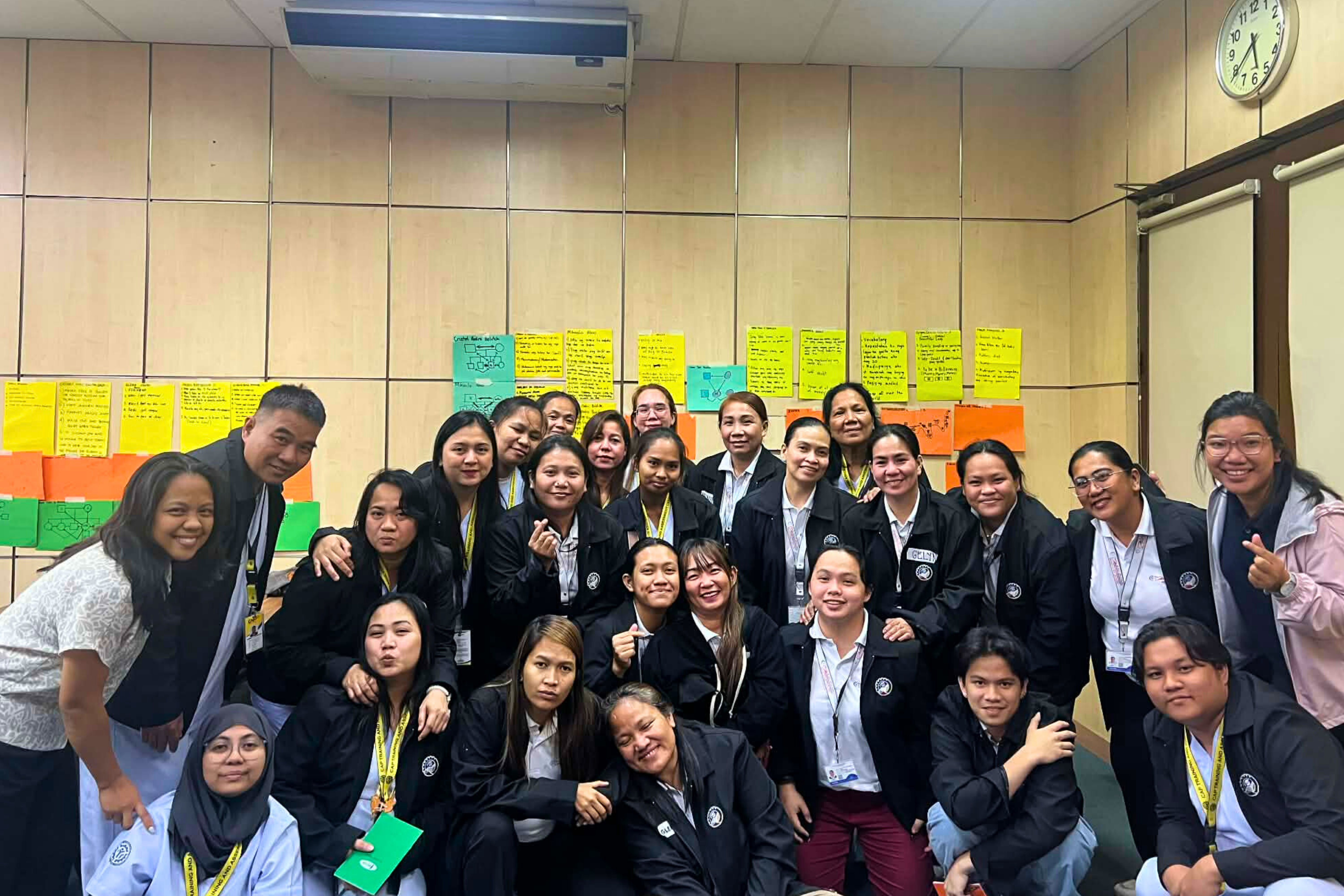

For many aspiring healthcare workers, the journey begins with learning technical skills. How to assist patients. How to respond in critical moments. How to provide care when it is needed most.
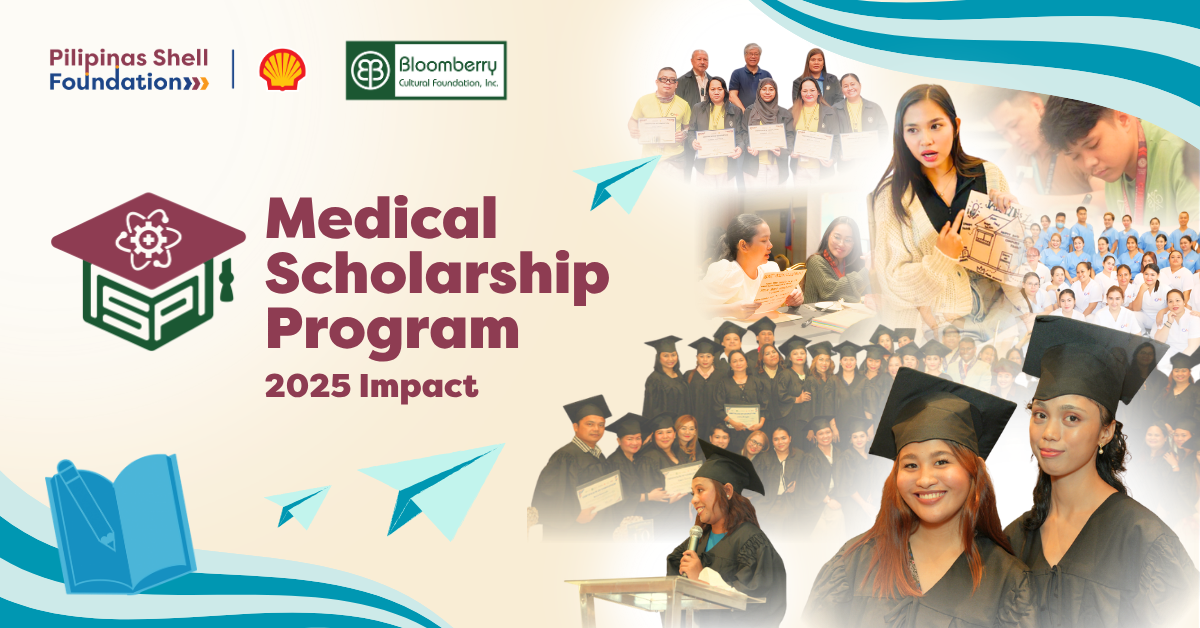
But for scholars under the Medical Scholarship Program supported by Bloomberry Cultural Foundation Inc. (BCFI) and implemented by Pilipinas Shell Foundation Inc. (PSFI), becoming a caregiver goes beyond mastering procedures.
It begins with shaping the person behind the profession.
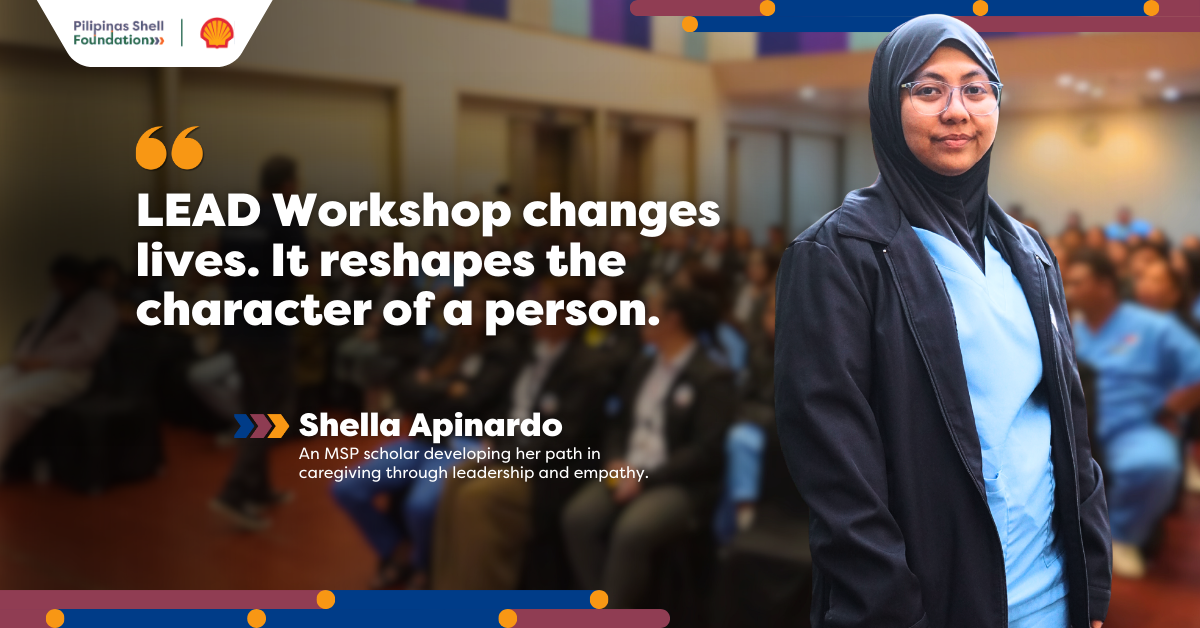
Through the Leadership Enhancement and Attitude Development (LEAD) Workshop, scholars are guided to develop not only competence, but character. They are challenged to look inward, build emotional intelligence, and understand that leadership in healthcare is not defined by authority, but by empathy.
For Shella Apinardo, this journey marked a turning point.
Before entering the program, Shella worked as a virtual assistant. The job provided financial stability, but something felt missing.
“Virtual assistant ako before, so finances were not really a problem,” she shared. “But I wanted to try another field. Aside from being in demand, healthcare also offers opportunities abroad.”
Encouraged by friends and driven by a desire for more meaningful work, she explored caregiving. What she found was more than a career shift. It was a calling.
Still, stepping into this new path came with challenges.
“Introverted ako before,” Shella admitted. “I didn’t realize I had a leader in me.”
That perspective began to change during the LEAD workshop.
One message stayed with her.
“Being a caregiver means being a leader,” she recalled from PSFI Program Director Raiza Cusi. “You are a decision-maker. You prepare for your patient, you provide care, and in difficult moments, you make critical choices.”
That realization reshaped how Shella saw herself and her role.
More than a training, LEAD became a space for reflection and growth. It encouraged scholars to examine how they respond to pressure, how they communicate, and how they connect with others.
“Mas natuto akong makibagay at matutong makinig,” she shared. “I learned that I have to be responsive instead of reactive. Being reactive means acting out of emotion. Being responsive means focusing on solutions.”
This shift proved essential in understanding the realities of caregiving.
Unlike routine desk work, caregiving requires constant emotional presence. It means engaging with people who are often at their most vulnerable.
“You connect with real people who have real struggles,” Shella explained. “You see different emotions, and you have to adapt. You have to be more understanding.”
At times, the work can be overwhelming.
“Parang sponge,” she said. “You absorb the emotions of your patients. That is why you also need space to process and release what you carry.”
Through LEAD, scholars are reminded that caring for others also requires caring for oneself. They are given tools to manage stress, build resilience, and support one another as a community.
One of Shella’s most powerful realizations was about listening.
“Most people listen with the intent to reply,” she reflected. “But not everyone listens to understand with care and love.”
For her, learning to truly listen became one of the most important skills she could carry into her future profession.
The workshop also opened her to the value of connection.
“No man is an island,” she said. “You cannot succeed alone.”
For someone who once preferred staying inside, spending time gaming, LEAD introduced a different perspective on life.
“Narealize ko ang saya ng buhay,” she shared. “It is wonderful to listen to other people’s stories. Every person has a journey. You learn from their struggles and their lessons.”
Her growth did not go unnoticed.
Recognizing her leadership and communication potential, mentors even encouraged her to consider teaching in the future.
“I was flattered when Ma’am Cheng suggested I could teach in TESDA someday,” she said. “Another door opened for me.”
Today, Shella remains focused on gaining hands-on experience in caregiving, carrying with her the lessons that go beyond the classroom.
For her, the impact of LEAD is clear.
“Academic skills are easier to learn,” she explained. “But emotional intelligence is different. If you are quick to anger or closed-minded, you will struggle to connect with others.”
She credits the program for transforming not just her career path, but her character.
“LEAD changes lives,” she said. “Hindi lang livelihood ang binibigay nila. They reshape who you are. They help you become not just a better caregiver, but a better person.”
Her gratitude for the program’s supporters runs deep.
“They do not just give opportunities,” she shared. “They guide people toward a better future.”
For Shella, the path forward is now clear.
“Since joining the program, mas naging buo yung desisyon ko,” she said. “Ang maging caregiver.”
Through the partnership of PSFI and BCFI, the LEAD Workshop continues to nurture more than future healthcare workers.
It shapes individuals who lead with empathy, act with purpose, and understand that in caregiving, the most powerful form of leadership begins with genuine care.