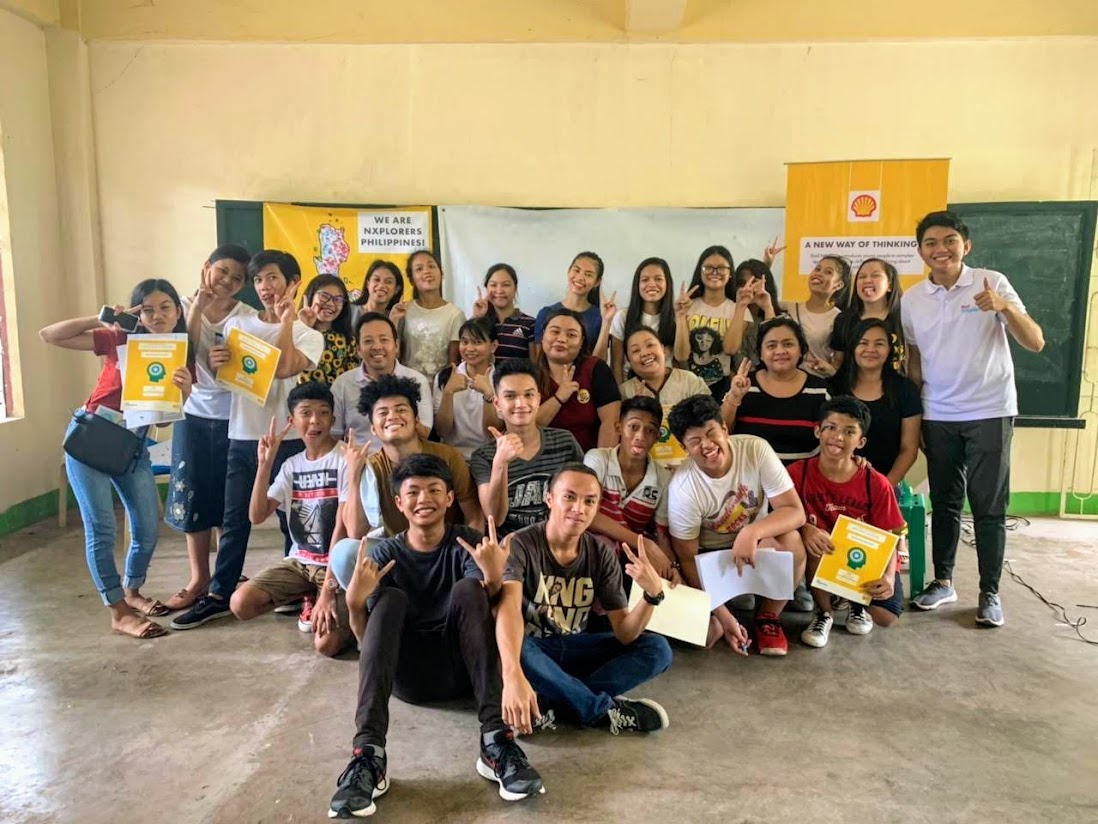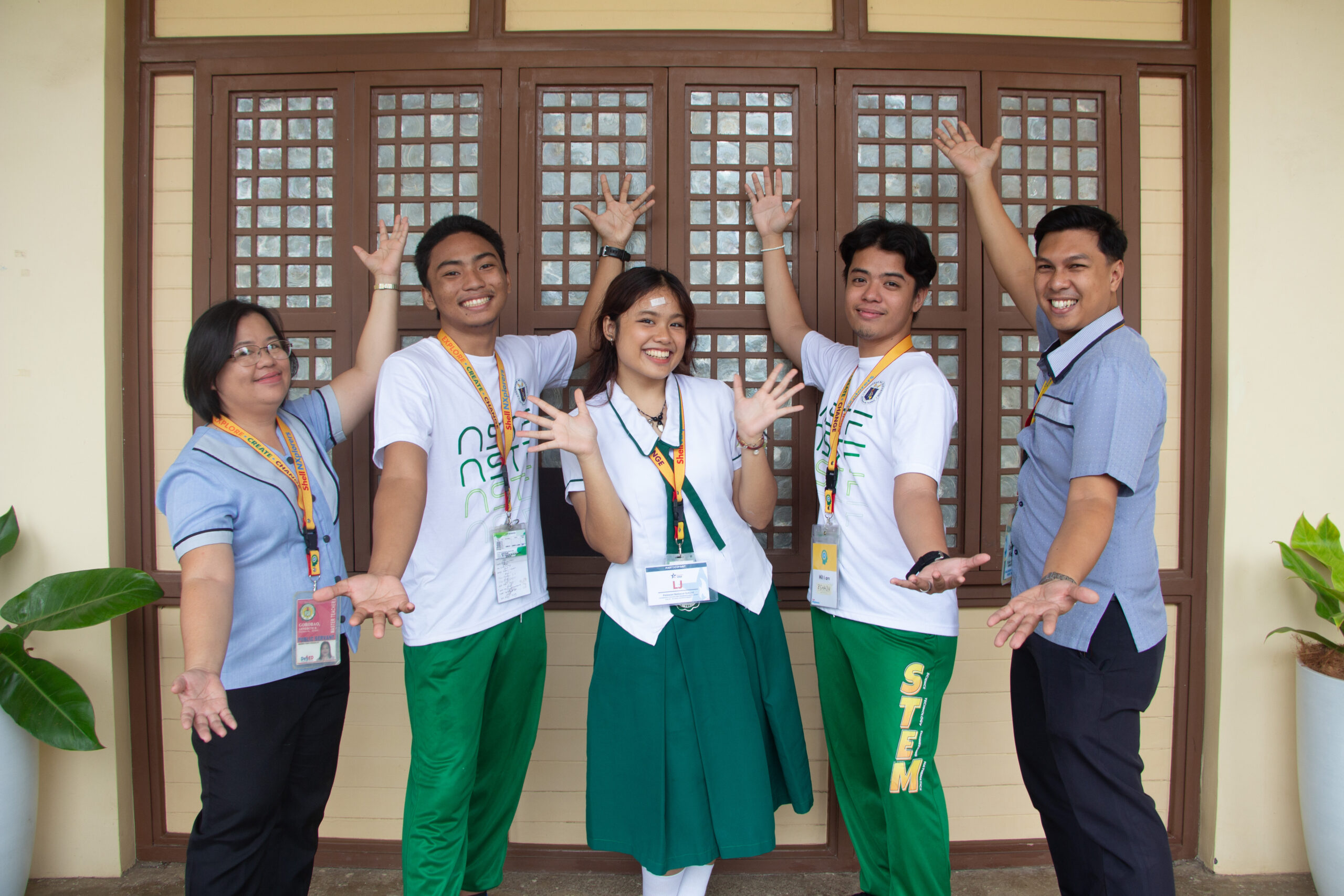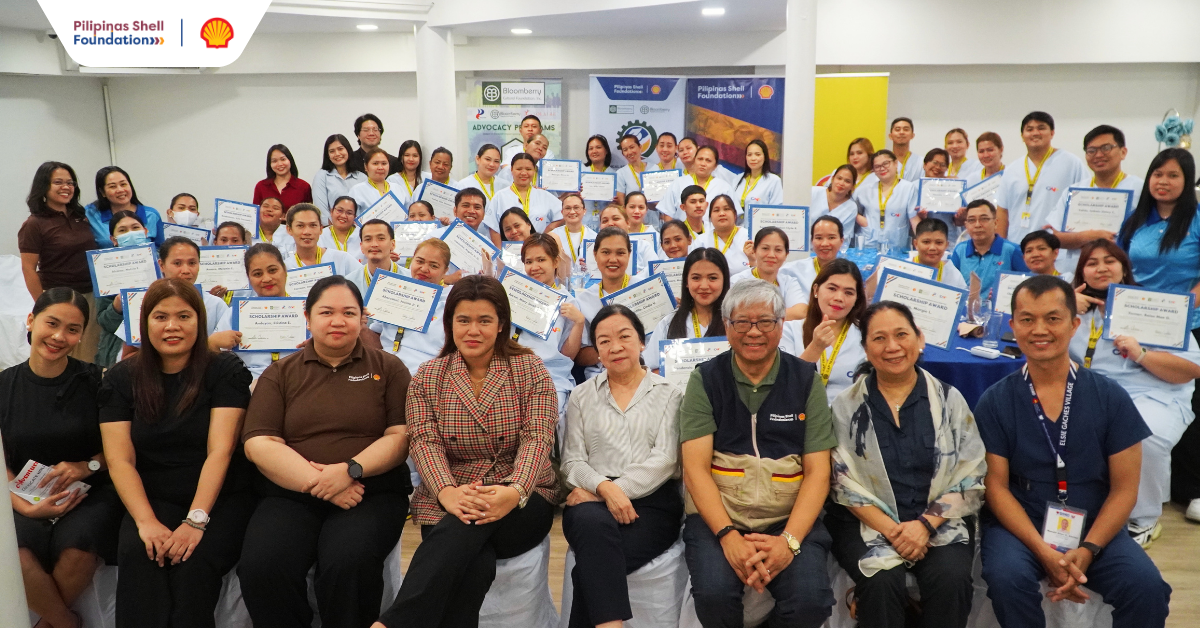

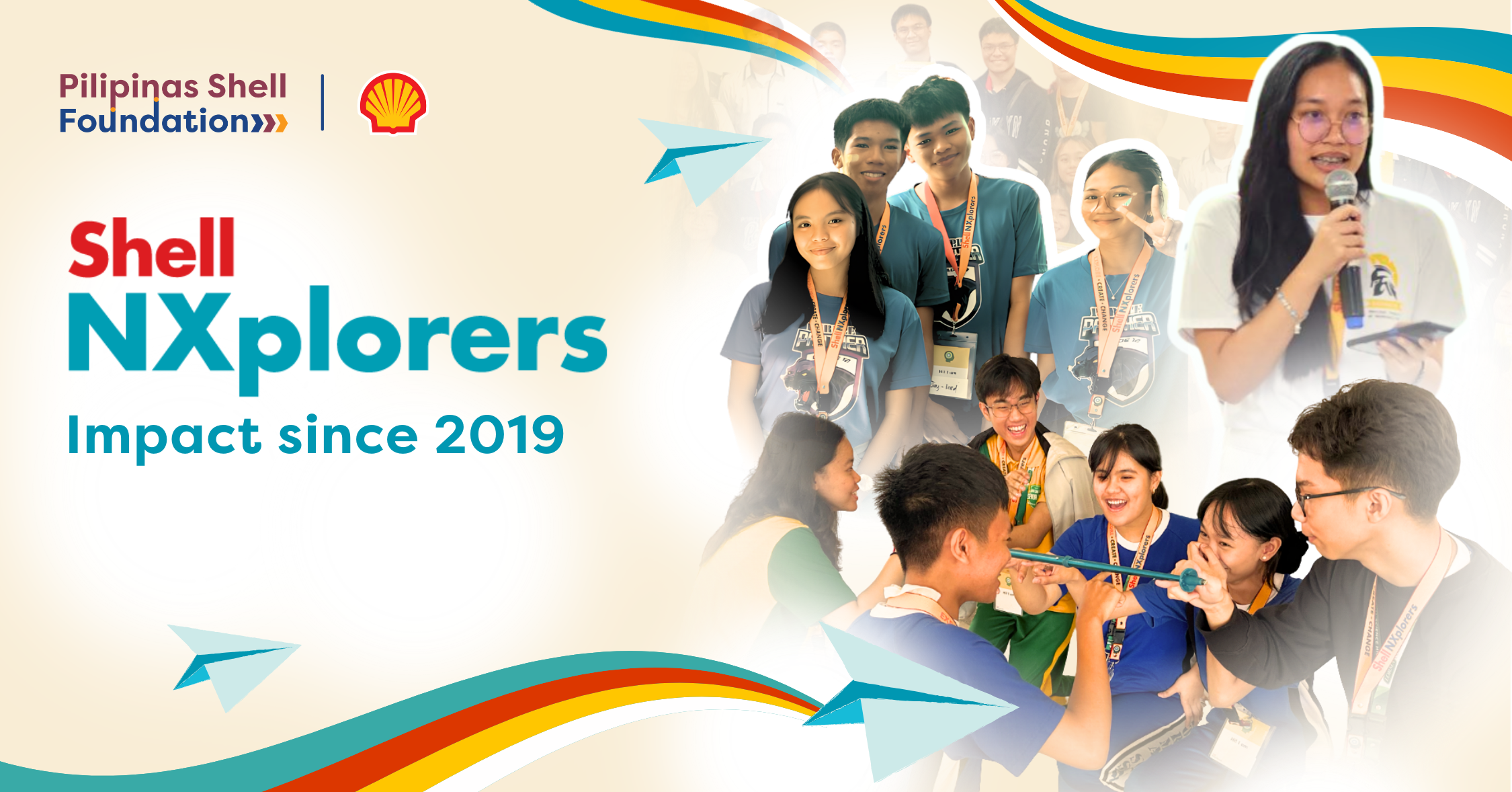
For six transformative years, Pilipinas Shell Foundation, Inc. (PSFI), in partnership with Shell Pilipinas Corporation, advanced a clear vision: equip young Filipinos not only with knowledge, but with the mindset and tools to navigate and solve complex global challenges.
From 2019 to June 2025, the Shell NXplorers Program in the Philippines reached 2,716 students and 421 teachers across 101 schools, strengthening STEM capabilities nationwide and nurturing a generation of systems thinkers.
A Methodology That Moves Minds
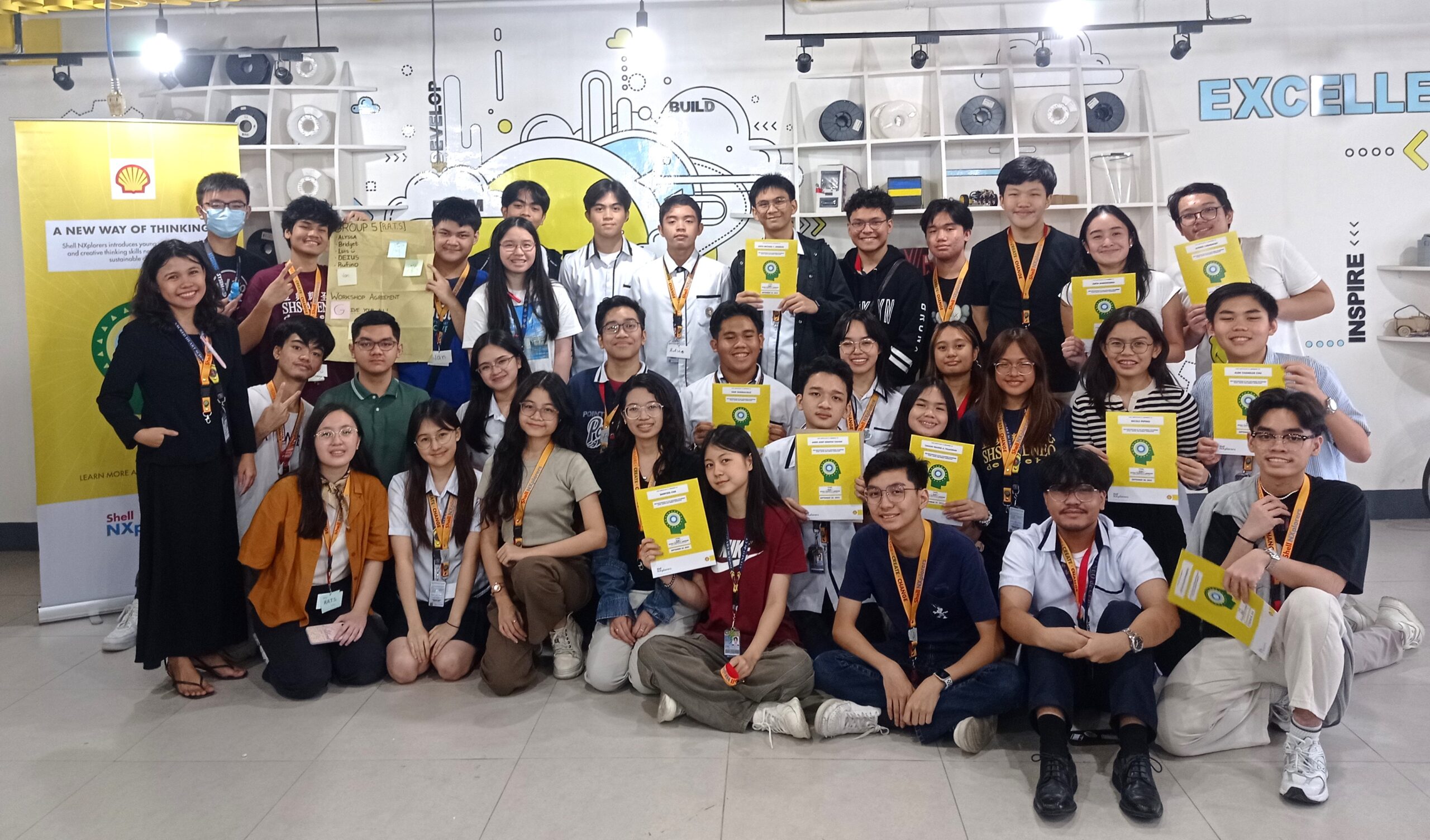
Launched locally in 2019, NXplorers introduced high school students (Grades 8–12) and educators to systems thinking, scenario planning, and theory of change. These tools were designed to help participants unpack complex issues in food, water, and energy and design practical, sustainability-driven solutions.
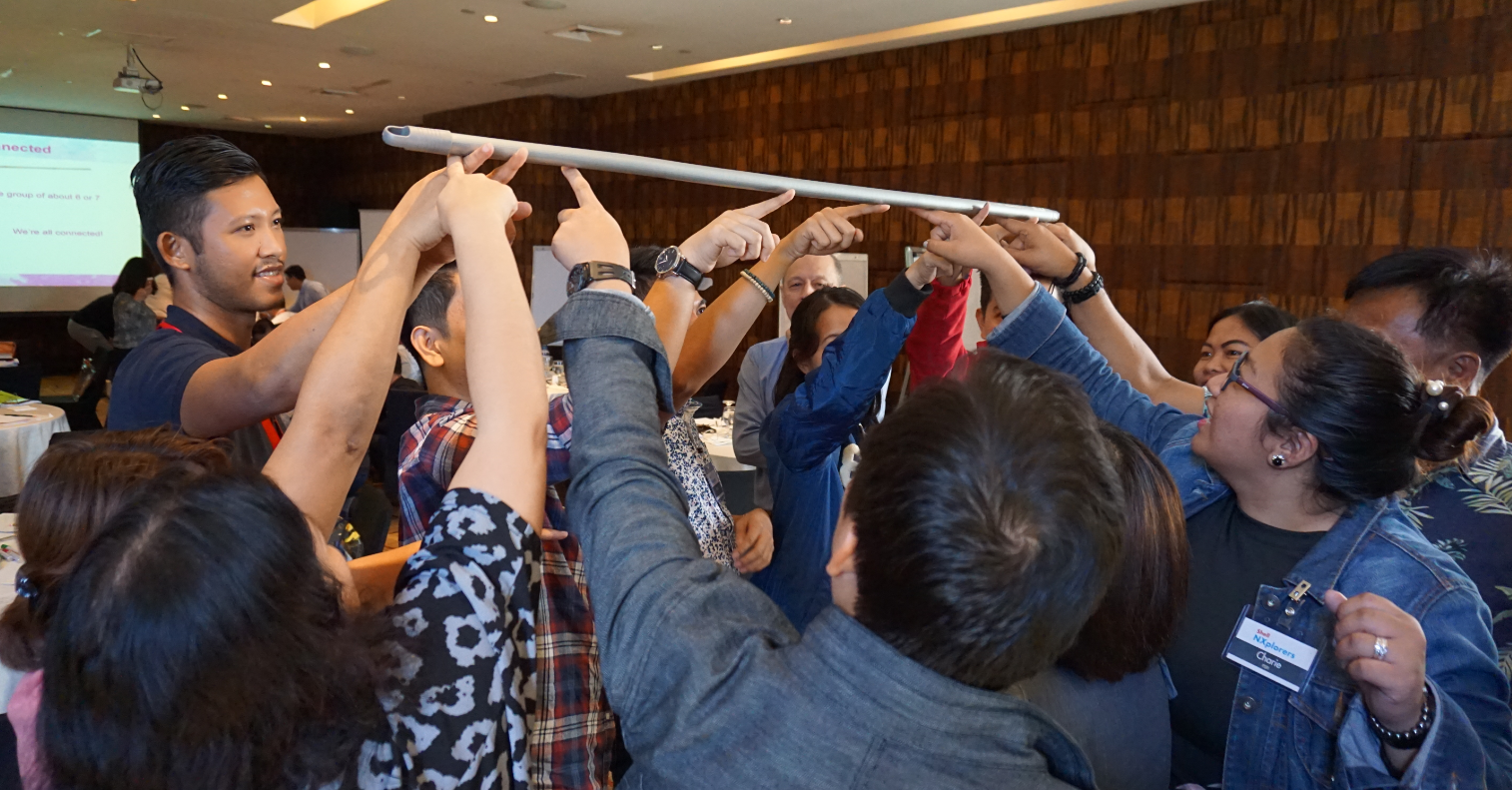
Rather than providing ready-made answers, NXplorers trained students to ask sharper questions and think through interconnected systems. Through facilitated workshops conducted both in person and online during the pandemic years, participants explored real-world challenges and built actionable responses rooted in critical thinking and collaboration.
The program complemented existing curricula and was adaptable across socio-economic contexts, making STEM learning accessible, relevant, and purpose-driven.
By the Numbers: Reach and Results
From 2019 to 2025, the program achieved:
2,716 students engaged
2,606 high school students
110 college students (Shell Eco-Marathon teams)
421 teachers trained in NXplorers methodology
101 schools engaged nationwide
121 Shell staff volunteers mobilized, contributing 1,991 volunteer hours
Monitoring and evaluation data reflected strong outcomes:
99% of students felt more confident engaging in real-world issues
88% were more likely to pursue STEM in the future
97% reported improvement in STEM Habits of Mind, including creative problem-solving, critical thinking, communication, and collaboration
83% of teachers felt more confident teaching STEM concepts
99% of teachers observed improvement in their students’ STEM skills
These results demonstrate not only participation, but measurable growth in capability and confidence.
The Bright Ideas Challenge: Innovation in Action
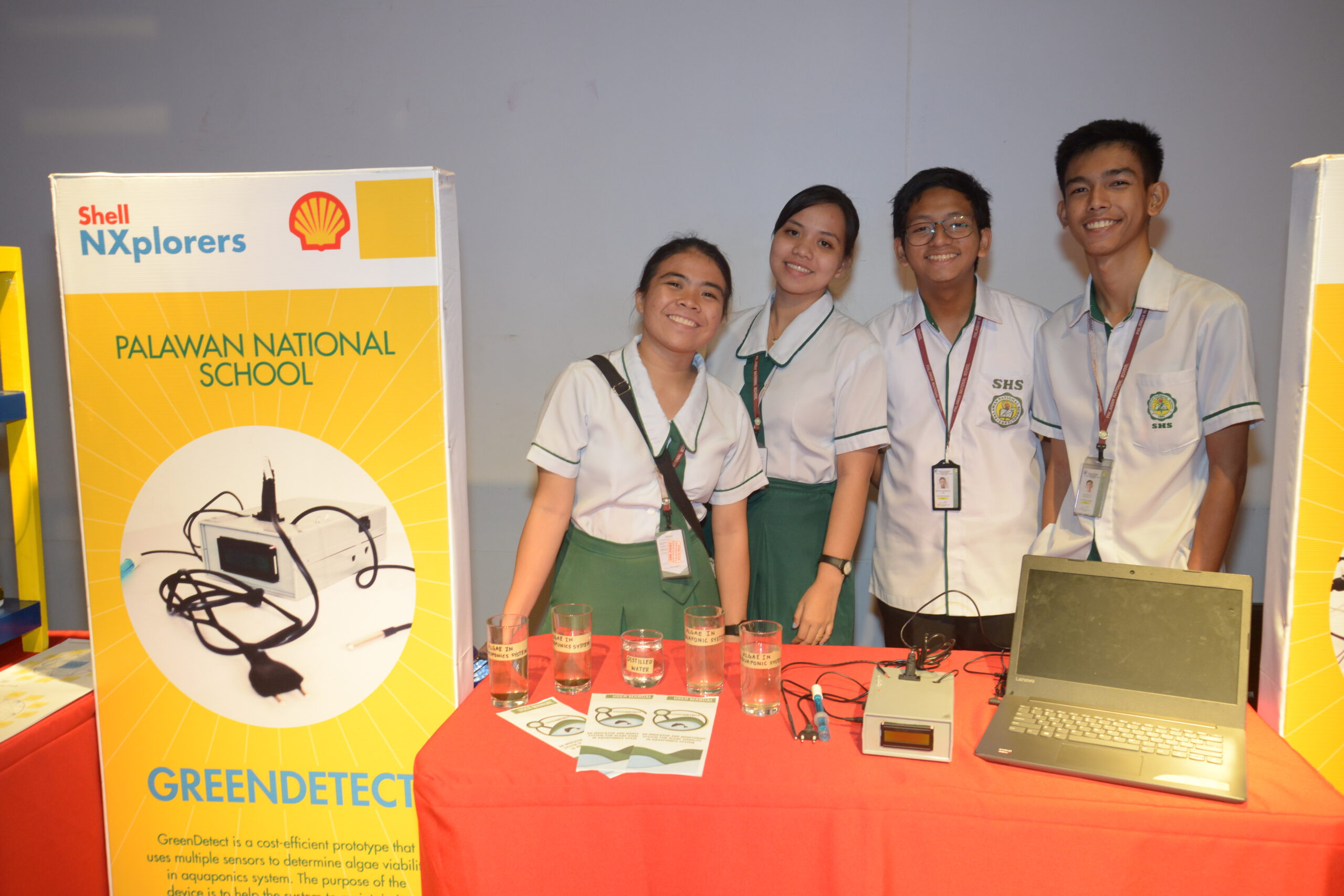
A key feature of the program was the Shell NXplorers The Bright Ideas Challenge (TBIC), a culminating platform where students presented sustainability-focused solutions developed through the NXplorers methodology.
Across four challenge cycles:
- 97 student projects were generated
- 457 students participated
- 52 schools were represented
Projects addressed pressing issues in food security, water management, and energy use, reinforcing the program’s focus on real-world application and community relevance.
Strengthening Educators and Industry Engagement
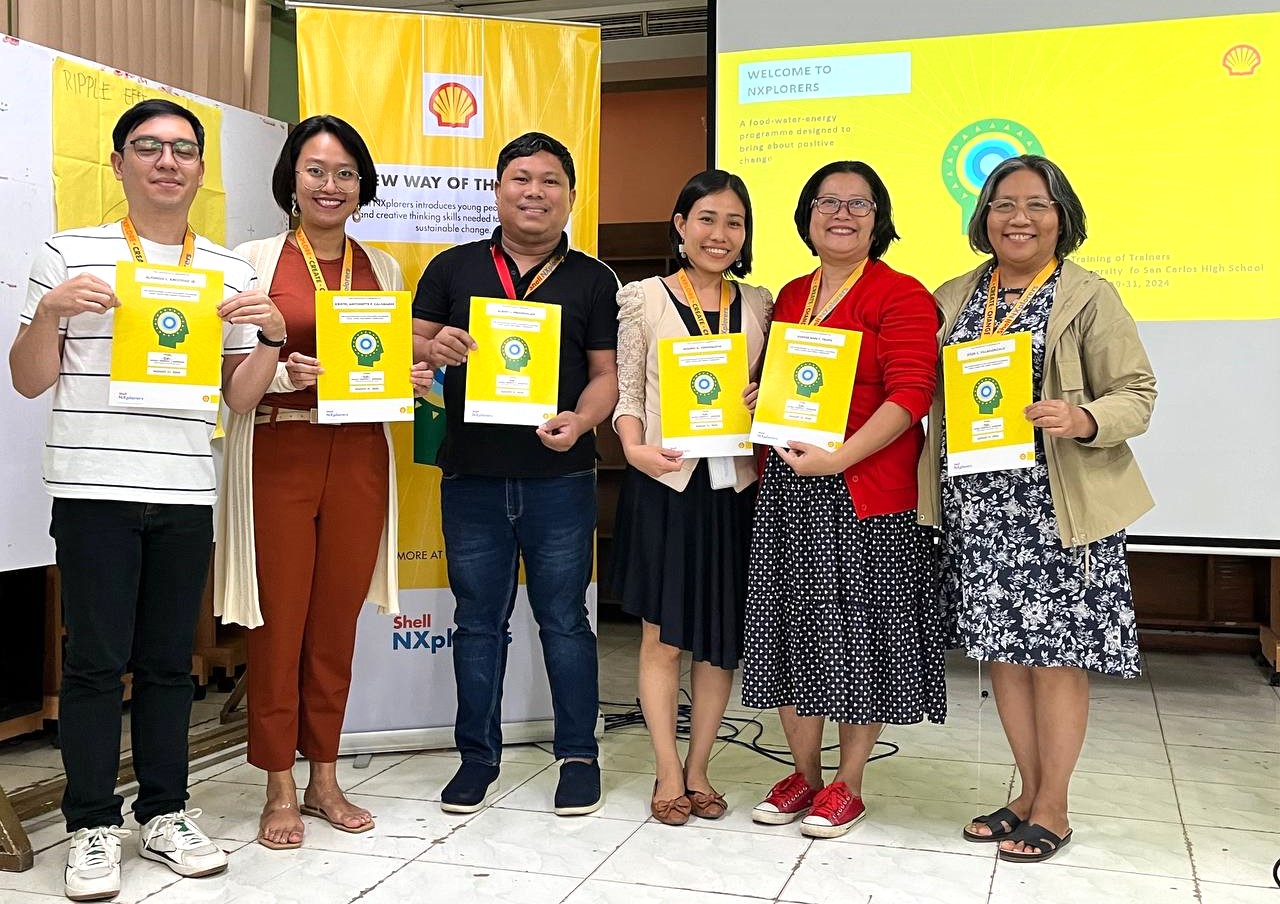
Beyond student development, NXplorers invested in educators through professional development sessions, refresher courses, and structured learning materials. Teachers reported stronger facilitation strategies and improved classroom engagement.
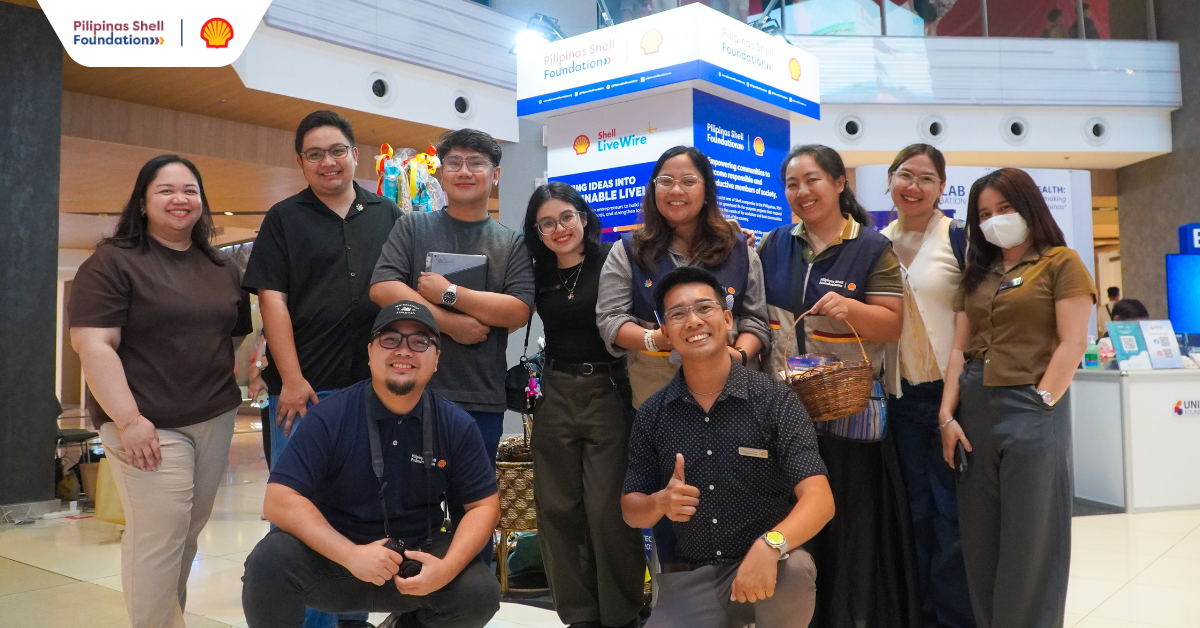
The program also strengthened Shell’s community engagement through employee volunteerism. Shell staff contributed time and expertise as mentors and facilitators, building bridges between industry and education and reinforcing knowledge-sharing across sectors.
A Legacy of Systems Thinkers
An impact study covering 2019 to 2023 documented significant educational and social gains. Students demonstrated improved systems thinking, leadership, and collaboration skills. Teachers reported more dynamic learning environments and stronger integration of STEM concepts.
Importantly, students developed a deeper awareness of community challenges and a sense of shared responsibility in designing solutions.
As the Philippine implementation concluded in June 2025, PSFI recommended conducting an internal review to sustain gains, refine best practices, and explore integration within formal education systems and broader partnerships.
The program’s run has reached a milestone, but the mindset it cultivated endures.
When young people learn to explore, create, and change, they do more than solve problems.
They build the capacity to shape a more resilient and sustainable future.